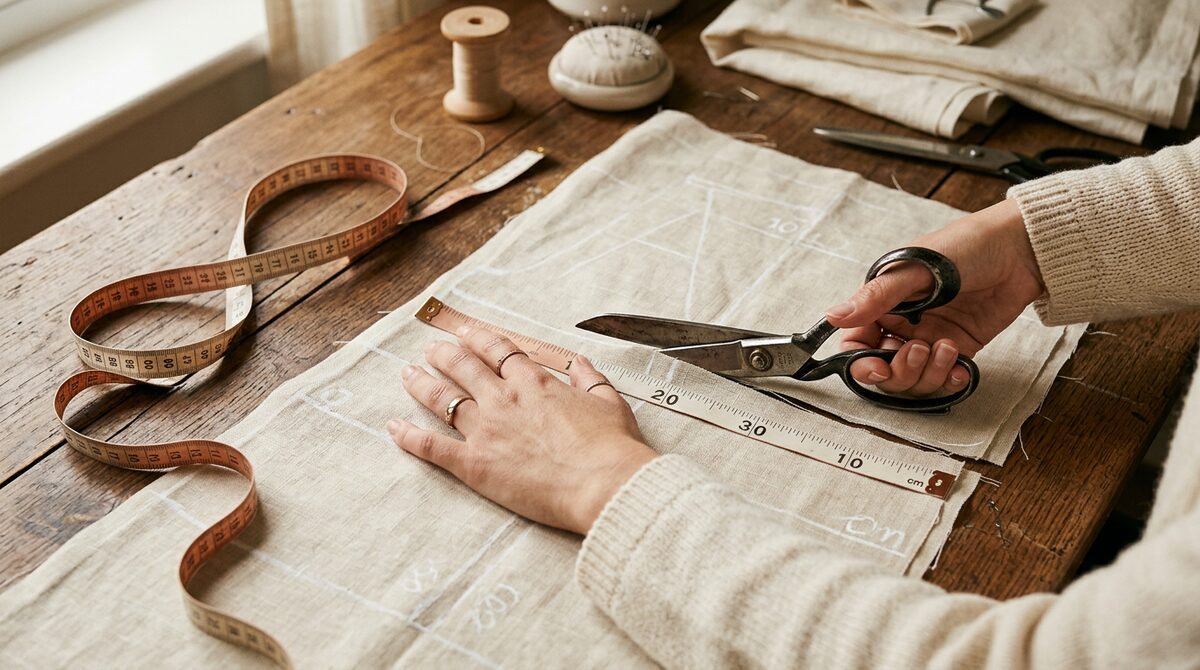
How to Choose the Right Sewing Machine for Your Skill Level
From beginner-friendly workhorses to advanced computerized powerhouses, find the perfect sewing machine for where you are today.
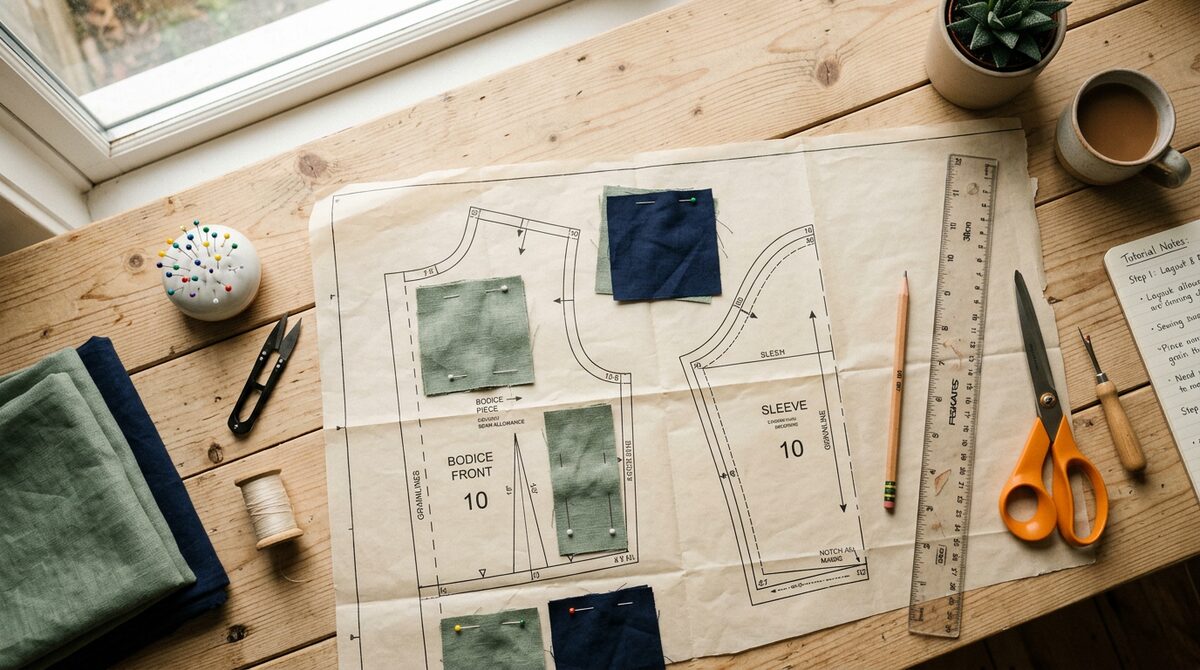
How to Choose the Right Sewing Machine for Your Skill Level
Buying a sewing machine is one of the most important decisions a sewist makes — and one of the most confusing. Walk into any fabric store or scroll through Amazon and you'll find machines ranging from $80 to over $1,000. So how do you know which one is right for *you*?
This guide breaks down what to look for at every skill level, which features actually matter, and which machines deliver the best value for your money.
---
Why Skill Level Matters More Than Price
It's tempting to buy the most feature-packed machine you can afford, but more features don't always mean better results — especially for beginners. A machine loaded with 200 stitch patterns can overwhelm a new sewist, while an experienced quilter may find a basic mechanical machine frustratingly limited.
**The best sewing machine is the one that matches where you are today — not where you hope to be in five years.**
Here's how to think about it by skill level:
---
Beginner Sewists: Keep It Simple
If you're just starting out, your priorities should be:
Recommended: Singer Heavy Duty 4423
The Singer Heavy Duty 4423 ($180–$250) is one of the most popular beginner machines on the market — and for good reason. With a quality rating of 4.5/5 and a durability score of 92/100, it punches well above its price point.
Key features:
Because it's rated for Beginner skill level, you won't feel lost in menus or settings. It just works.
Available at [Amazon](https://www.amazon.com/dp/B003VWXZQ0?tag=smarterfabric-20) | [Singer Direct](https://i.ytimg.com/vi/BWu25Hycfhg/maxresdefault.jpg tip: Pair your new machine with Schmetz Denim/Jeans Needles** ($5–$10) right from the start. Even if you're not sewing denim yet, these heavy-duty needles handle cotton quilting fabric and canvas without skipping stitches — a common frustration for beginners.
Available at [Amazon](https://www.amazon.com/dp/B004D34D1C?tag=smarterfabric-20)
---
Intermediate Sewists: Add Versatility
Once you've mastered the basics — straight stitches, seam finishing, simple garments — you'll start wanting more from your machine:
At this stage, budget $300–$700 for a machine that will grow with you.
What to Practice On: Cotton Quilting Fabric
Before upgrading your machine, make sure you're getting the most out of your current setup. Robert Kaufman Cotton Quilting Fabric ($8–$15/yard, quality rating 4.5/5, durability 85/100) is the perfect practice material. It's forgiving, widely available, and teaches you how a well-tuned machine should feel.
Available at [Amazon](https://www.robertkaufman.com/assets/images/pattern/large/HolidayFlourish_TheCarolQuilt_Holiday.jpg) | [JOANN](https://www.joann.com/search?q=cotton+fabric) | [Mood Fabrics](https://www.awin1.com/cread.php?awinmid=53817&awinaffid=2801410&ued=https%3A%2F%2Fwww.moodfabrics.com%2Fsearch%3Fq%3Dcotton)
---
Advanced Sewists: Invest in Precision
If you're sewing garments regularly, quilting large projects, or working with challenging fabrics like velvet or silk, you need a machine that delivers industrial-level consistency.
At this level, look for:
Recommended: Juki HZL-F600
The Juki HZL-F600 ($900–$1,100) is the gold standard for serious home sewists. With a quality rating of 4.9/5 and a durability score of 95/100, it's the closest thing to an industrial machine in a home-friendly package.
Key features:
This machine is rated Advanced — and it earns that designation. But if you're ready for it, the Juki will transform your sewing.
Available at [Amazon](https://www.amazon.com/dp/B00JGCAHWE?tag=smarterfabric-20)
---
Don't Overlook the Accessories
No matter which machine you choose, a few accessories make a huge difference in your sewing experience:
---
Quick Decision Guide
| Skill Level | Budget | Recommended Machine | Key Feature |
|---|---|---|---|
| Beginner | $150–$300 | Singer Heavy Duty 4423 | Durability + simplicity |
| Intermediate | $300–$700 | Brother CS7000X or Janome HD3000 | Versatility + stitch options |
| Advanced | $700–$1,200+ | Juki HZL-F600 | Precision + box feed |
---
Final Thoughts
The right sewing machine isn't the most expensive one — it's the one that fits your current skill level, your typical projects, and your budget. Start where you are, learn your machine thoroughly, and upgrade when you've genuinely outgrown it.
If you're a beginner, the Singer Heavy Duty 4423 is hard to beat for reliability and value. If you're ready to invest in a machine that will last decades, the Juki HZL-F600 is worth every penny.
Happy sewing! 🧵
Products Mentioned in This Post
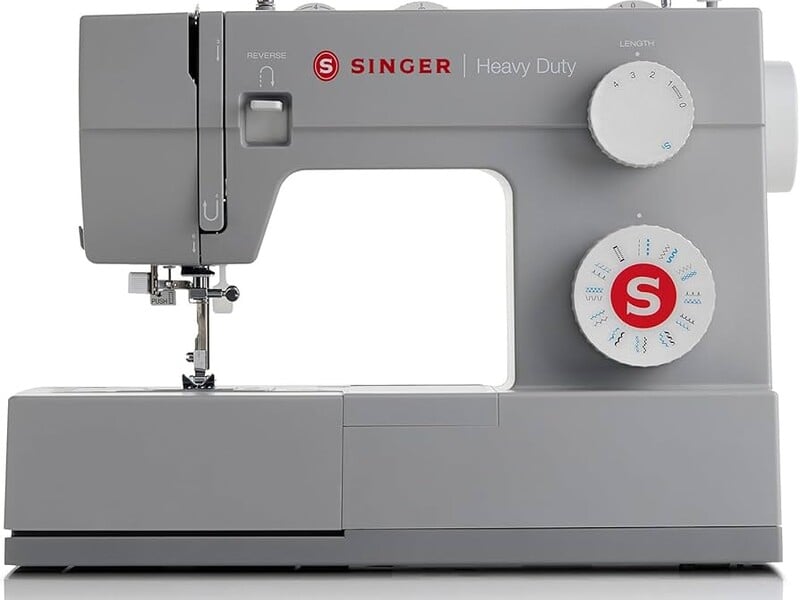
Singer Heavy Duty 4423
Powerful heavy-duty machine built to handle thick fabrics with ease.
$180 - $250
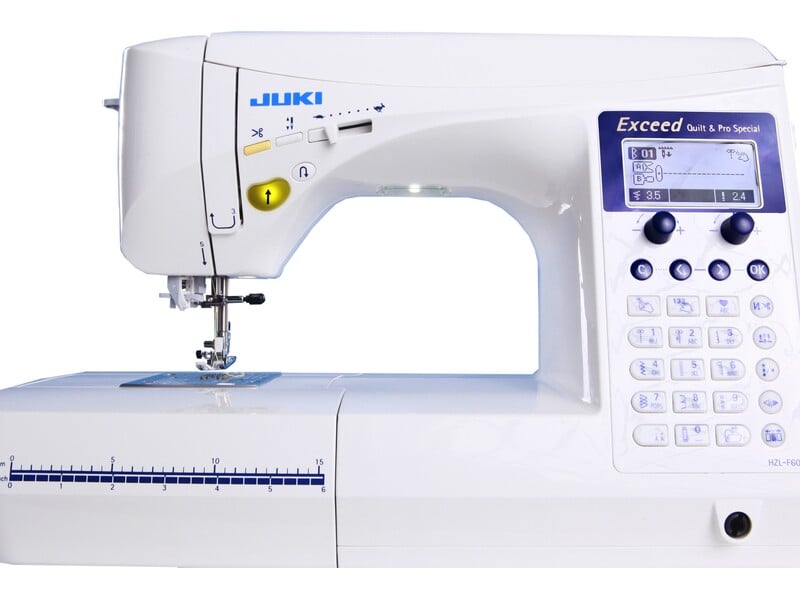
Juki HZL-F600
Industrial-quality computerized machine with box feed technology.
$900 - $1100
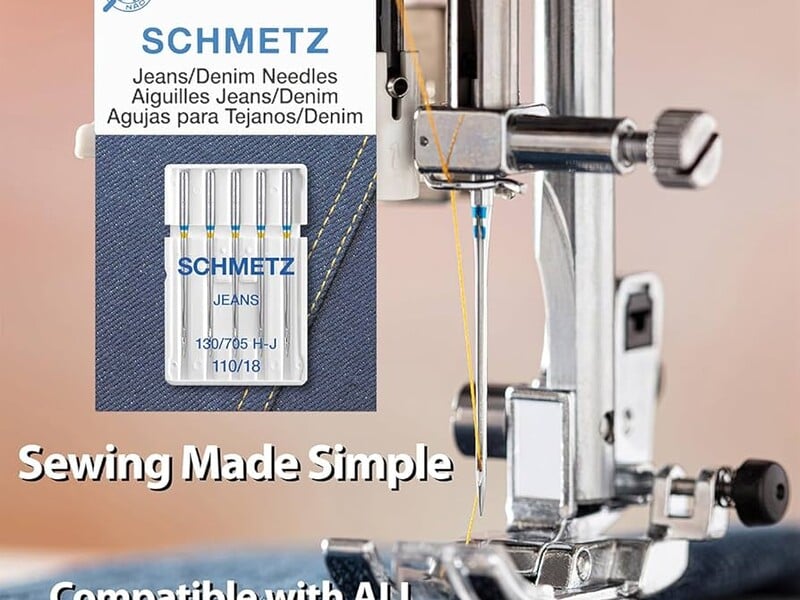
Denim/Jeans Needles
Heavy-duty needles with reinforced blade for thick fabrics.
$5 - $10
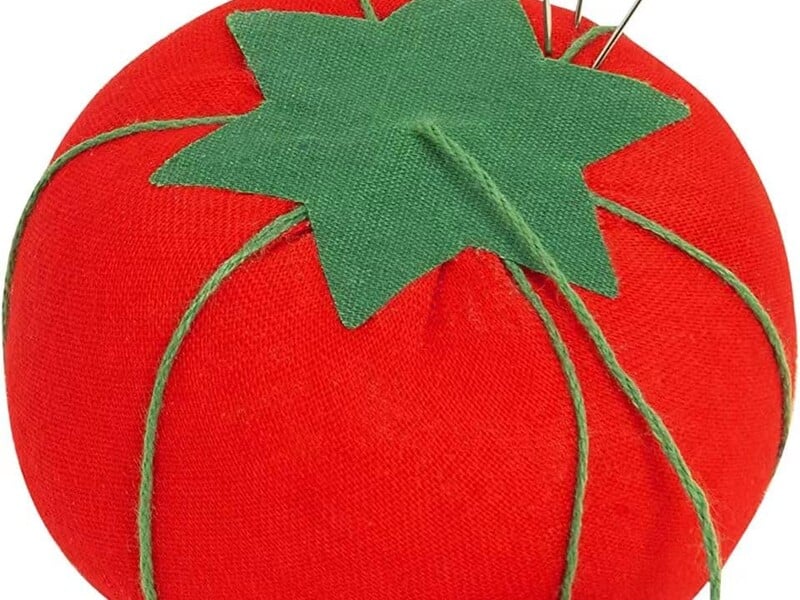
Tomato Pincushion
Classic tomato pincushion with attached strawberry emery.
$3 - $8
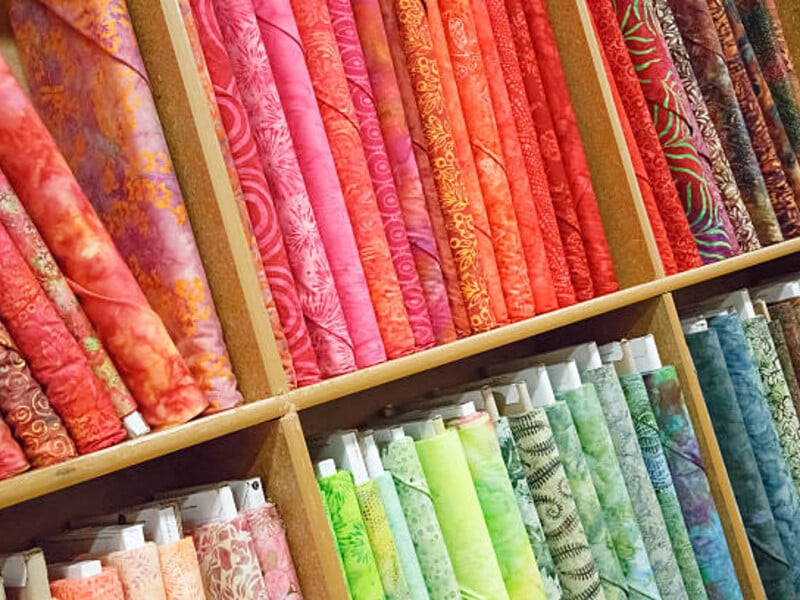
Cotton Quilting Fabric
Premium 100% cotton fabric perfect for quilting, crafts, and general sewing projects.
$8 - $15
Want deeper dives?
Check out our expert-written guides for comprehensive fabric and sewing knowledge.
Found this helpful? Share it with your sewing community!