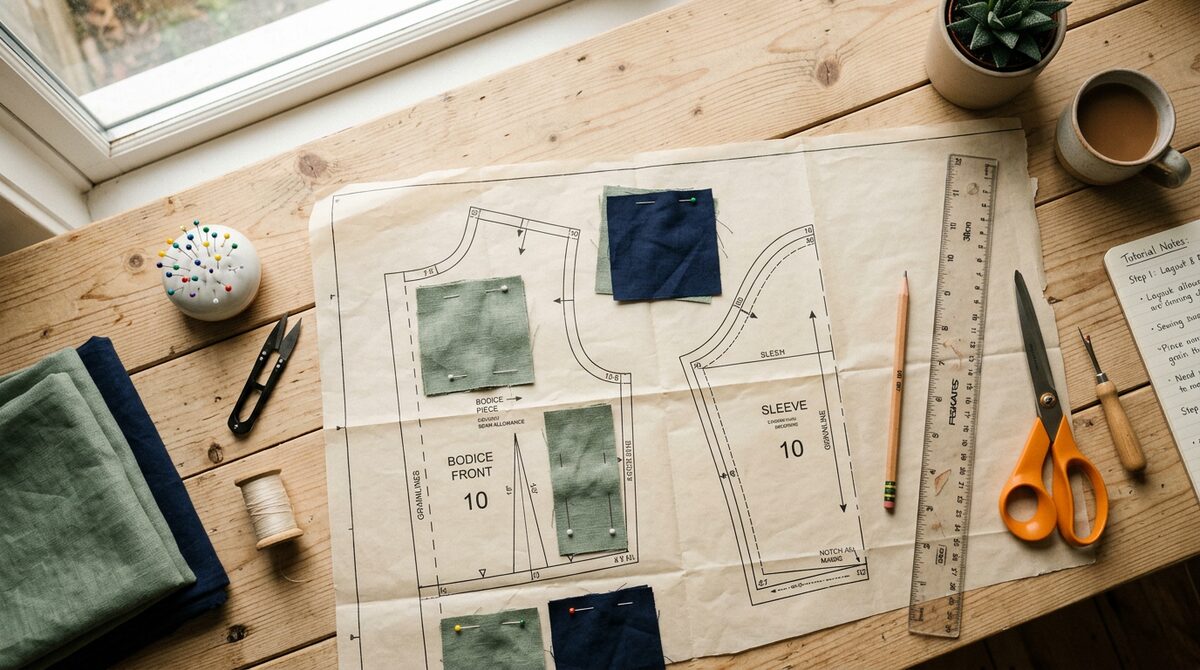
How to Set Up Your Sewing Machine for Any Fabric Type
Learn exactly how to configure your needle, thread, and tension settings for every fabric—from delicate fleece to tough denim.
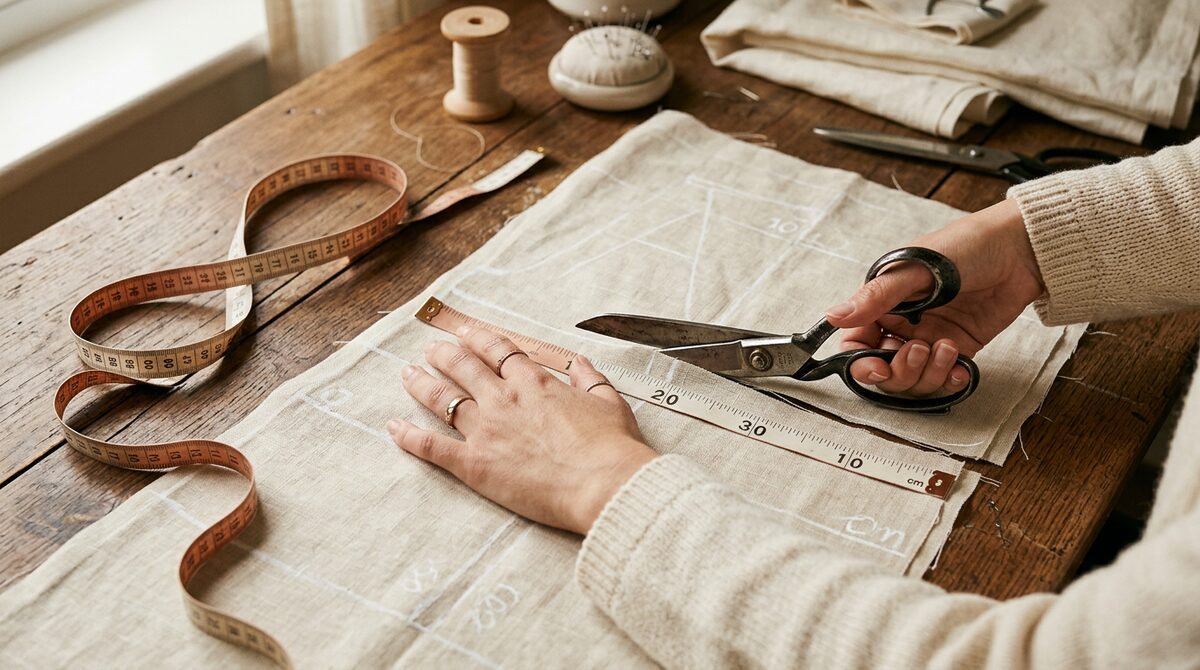
How to Set Up Your Sewing Machine for Any Fabric Type
One of the most common frustrations in sewing is sitting down at your machine, excited to start a project, only to end up with skipped stitches, puckered seams, or broken thread. Nine times out of ten, the culprit isn't your machine—it's the setup. Matching your needle, thread, tension, and stitch length to your specific fabric is the single biggest skill leap you can make as a sewist.
This guide walks you through exactly how to configure your machine for the most common fabric categories, so every seam comes out clean and professional.
---
Why Setup Matters More Than You Think
"A sewing machine is only as good as its settings. The right needle and thread combination can make a $200 machine sew like a $1,000 one."
Every fabric has a unique structure—weight, weave, stretch, and fiber content—that determines how a needle should pierce it and how thread should lock within it. Using a universal needle on heavy denim, for example, risks needle deflection, skipped stitches, and even a broken needle. Getting this right from the start saves fabric, time, and frustration.
---
The Four Variables You Control
Before diving into fabric-specific settings, understand the four dials you're working with:
1. Needle type and size — The most critical variable. Needle type determines the point shape; size determines the shaft thickness.
2. Thread weight and fiber — Heavier fabrics need stronger thread; delicate fabrics need finer thread.
3. Stitch length — Longer stitches for heavy fabrics; shorter for fine or stretch fabrics.
4. Tension — Balanced tension keeps the thread lock in the middle of the fabric layers.
---
Setting Up for Lightweight Fabrics (Chiffon, Silk, Voile)
---
Setting Up for Medium-Weight Fabrics (Cotton, Linen, Quilting Fabric)
This is the sweet spot for most home sewists. Medium-weight wovens are forgiving and respond well to standard settings.
Quilting tip: Schmetz Quilting Needles ($5–$10) have a tapered point that glides through multiple fabric layers without deflecting. They're rated 4.6/5 for quality and are a must-have if you're piecing quilt blocks. Grab them on [Amazon](https://www.amazon.com/dp/B000I1HQ9E?tag=smarterfabric-20).
---
Setting Up for Fleece and Knit Fabrics
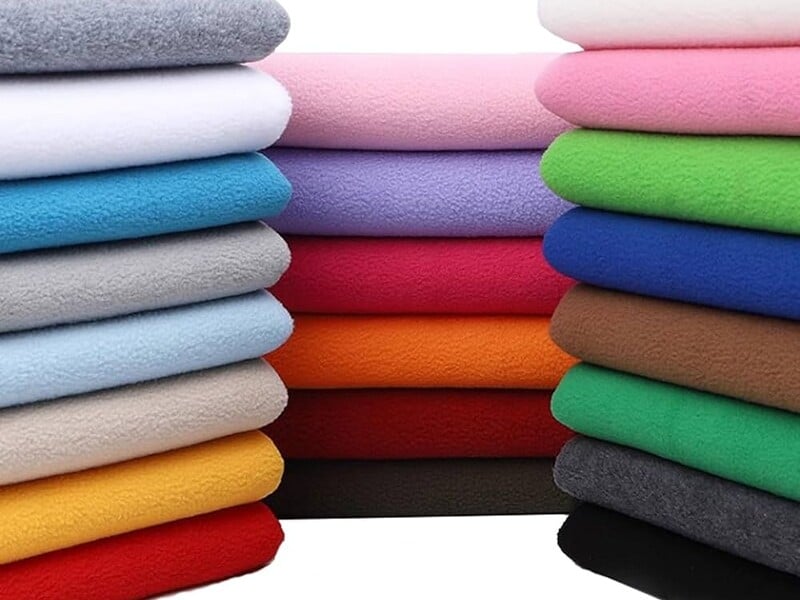
Fleece is one of the most beginner-friendly fabrics to sew, but it does have quirks. It doesn't fray, but it can stretch and shift under the presser foot.
Fleece Fabric from Joann ($8–$16) is a great anti-pill option for blankets, jackets, and accessories. It's rated 4.3/5 for quality and is available at [Amazon](https://www.amazon.com/dp/B01N3NFRS5?tag=smarterfabric-20) and [JOANN](https://www.joann.com/search?q=fleece+fabric).
---
Setting Up for Heavy Fabrics (Denim, Canvas, Upholstery)
This is where machine quality and needle choice make the biggest difference. Thick fabrics require a needle strong enough to pierce multiple layers without bending.
Machine Spotlight: Janome HD3000 vs. Juki HZL-F600
If you regularly sew denim, canvas, or multiple layers, your machine matters as much as your needle.
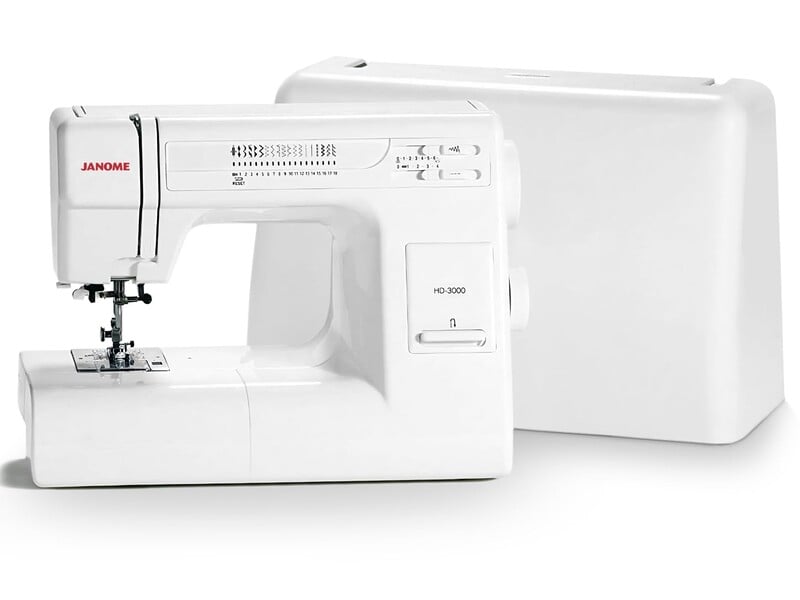
Janome HD3000 ($380–$450) is a professional-grade machine with an aluminum body and 18 built-in stitches. It's rated 4.8/5 for quality and 95/100 for durability—built to handle heavy fabrics without skipping a beat. Available on [Amazon](https://www.amazon.com/dp/B00916Y4YM?tag=smarterfabric-20).
Juki HZL-F600 ($900–$1,100) steps it up further with industrial-quality box feed technology that moves fabric evenly from all sides—ideal for quilters and sewists who work with thick or layered materials. It earns a 4.9/5 quality rating and 95/100 durability score. Available on [Amazon](https://www.amazon.com/dp/B00JGCAHWE?tag=smarterfabric-20).
| Feature | Janome HD3000 | Juki HZL-F600 |
|---|---|---|
| Price | $380–$450 | $900–$1,100 |
| Quality Rating | 4.8/5 | 4.9/5 |
| Durability | 95/100 | 95/100 |
| Skill Level | Intermediate | Advanced |
| Best For | Heavy fabrics, everyday sewing | Quilting, thick layers, high volume |
---
Quick-Reference Settings Chart
| Fabric Type | Needle | Size | Stitch Length | Tension |
|---|---|---|---|---|
| Lightweight (chiffon, silk) | Microtex | 60–70 | 1.5–2.0 mm | Lower |
| Medium (cotton, linen) | Universal | 80 | 2.5 mm | Default |
| Quilting | Quilting | 75–90 | 2.0–2.5 mm | Default |
| Fleece/Knit | Ballpoint/Stretch | 80–90 | 2.5 mm zigzag | Slightly lower |
| Heavy (denim, canvas) | Denim/Jeans | 90–100 | 3.0–3.5 mm | Slightly higher |
---
Final Tips Before You Sew
With the right setup, your machine becomes a precision tool rather than a source of frustration. Take five minutes before each project to dial in these settings, and you'll notice the difference in every seam.
Products Mentioned in This Post
Fleece Fabric
Soft anti-pill fleece for cozy blankets, jackets, and accessories.
$8 - $16
Janome HD3000
Professional-grade heavy-duty machine with aluminum body.
$380 - $450
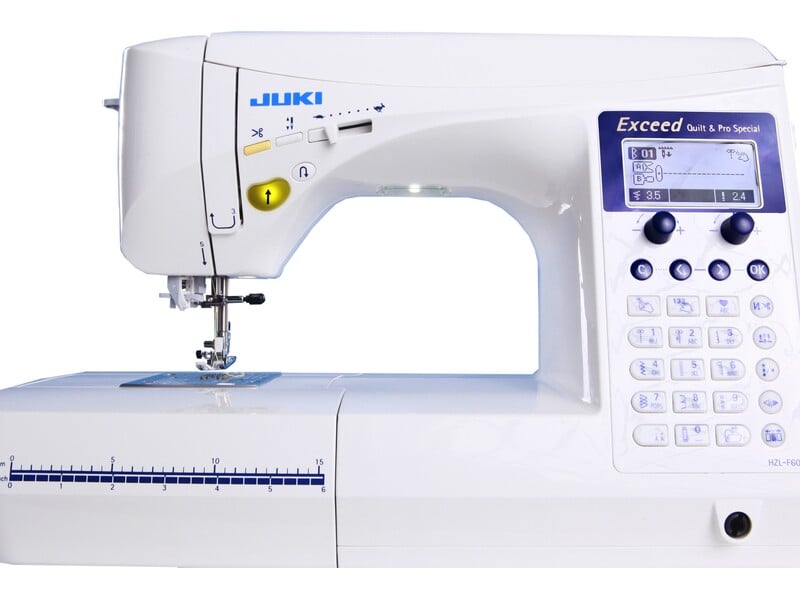
Juki HZL-F600
Industrial-quality computerized machine with box feed technology.
$900 - $1100
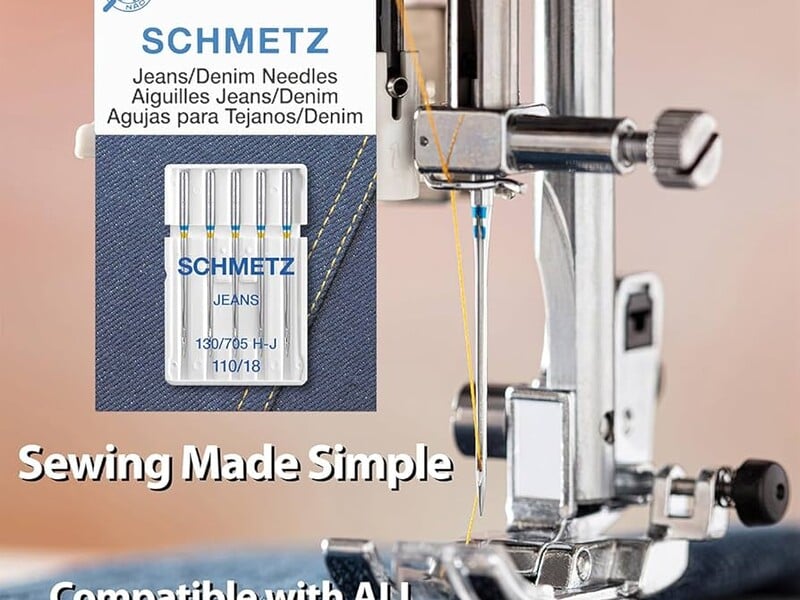
Denim/Jeans Needles
Heavy-duty needles with reinforced blade for thick fabrics.
$5 - $10
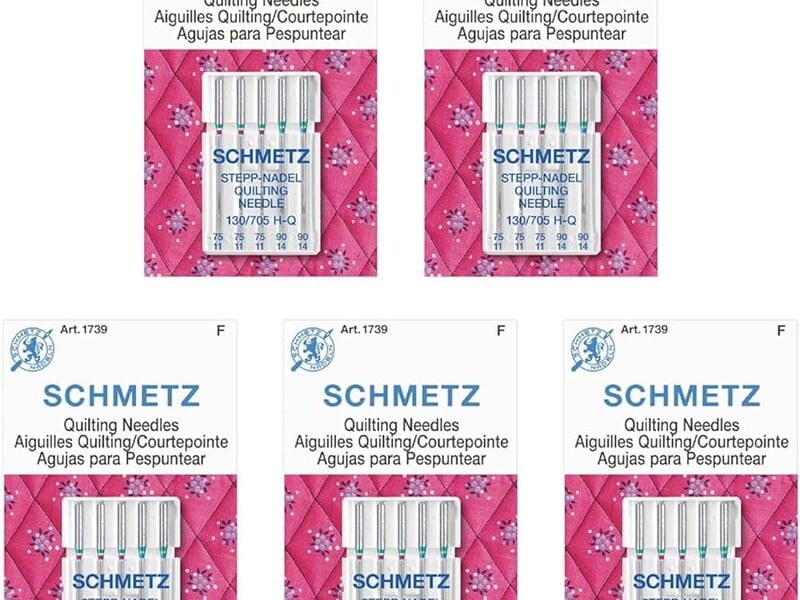
Quilting Needles
Tapered point needles designed for piecing and quilting.
$5 - $10
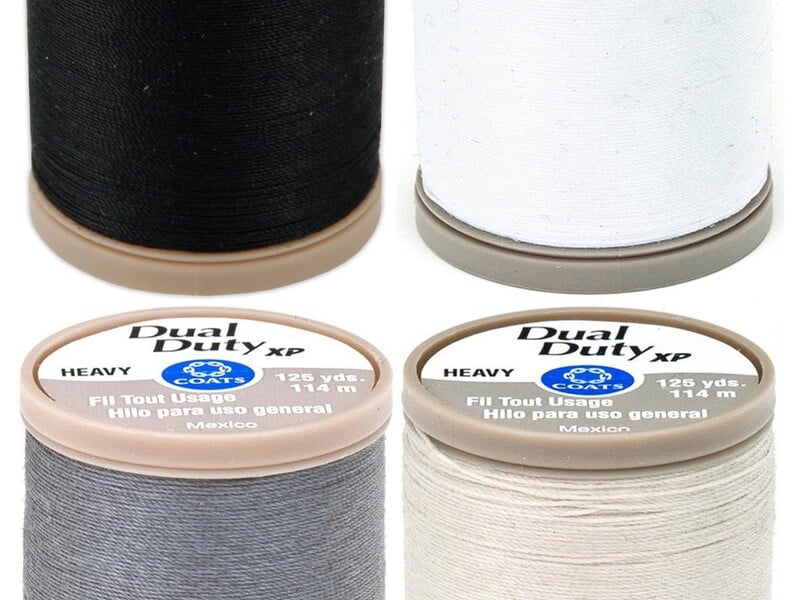
Coats & Clark Dual Duty
Reliable cotton-wrapped polyester thread for everyday sewing.
$2 - $5
Want deeper dives?
Check out our expert-written guides for comprehensive fabric and sewing knowledge.
Found this helpful? Share it with your sewing community!