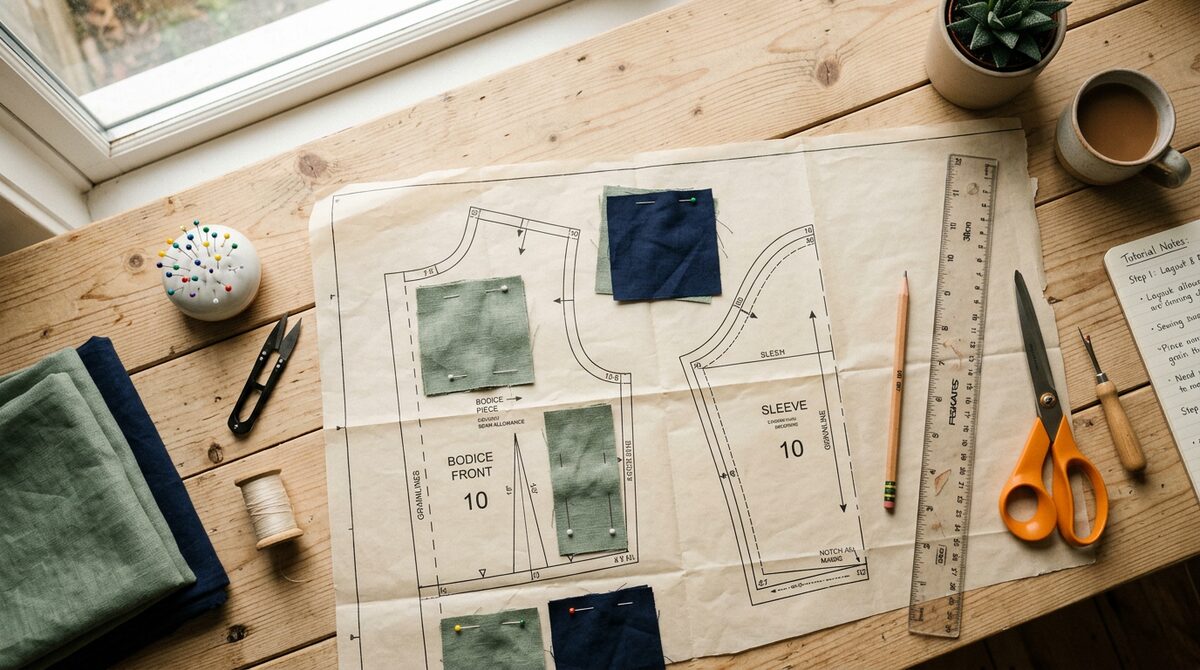
The Beginner's Guide to Sewing with Linen Fabric
Learn how to sew with linen fabric like a pro—from choosing the right needles and thread to machine settings and finishing techniques.
The Beginner's Guide to Sewing with Linen Fabric
Linen is one of the oldest and most beloved natural fabrics in the world—and for good reason. It's breathable, durable, and gets softer with every wash. But if you've ever tried to sew with linen and ended up with fraying edges, puckered seams, or a wrinkled mess, you're not alone. Linen has a few quirks that can trip up even experienced sewists.
This guide walks you through everything you need to know to sew with linen confidently, from pre-washing and cutting to choosing the right needle, thread, and machine settings.
---
Why Sew with Linen?
Linen is made from the flax plant and is prized for its natural texture and breathability. It's a go-to fabric for summer garments, home décor, and structured bags. Here's why sewists love it:
"Linen is the fabric equivalent of a fine wine — it only gets better with time and use."
A quality Linen Fabric (rated 4.7/5 for quality) typically runs $15–$35 per yard depending on weight and weave. You can find excellent options at [Mood Fabrics](https://www.awin1.com/cread.php?awinmid=53817&awinaffid=2801410&ued=https%3A%2F%2Fwww.moodfabrics.com%2Fsearch%3Fq%3Dlinen), [Amazon](https://www.amazon.com/dp/B000WFTEV4?tag=smarterfabric-20), or [JOANN](https://www.joann.com/search?q=linen+fabric).
---
Step 1: Pre-Wash Your Linen (This Is Non-Negotiable)
Linen shrinks — sometimes significantly — the first time it's washed. Always pre-wash before cutting:
1. Machine wash on a warm or cool cycle (avoid hot, which causes excessive shrinkage)
2. Tumble dry on medium heat or line dry
3. Press with a steam iron while slightly damp for best results
Skipping this step means your finished garment may shrink after the first wash. Pre-washing also removes any sizing or finishing chemicals from the fabric.
---
Step 2: Choose the Right Needle
Linen is a woven fabric with a relatively tight weave, so needle choice matters. The wrong needle can cause skipped stitches, fabric damage, or thread breakage.
Best needle for linen: Universal needles in size 80/12 or 90/14
Schmetz Universal Sewing Needles (rated 4.5/5) are an excellent all-around choice, priced at just $4–$8 for a pack. Their sharp-yet-rounded tip glides through linen's weave without snagging. Available at [Amazon](https://www.amazon.com/dp/B00AQ6P4V8?tag=smarterfabric-20).
Tips for needle selection:
---
Step 3: Pick the Right Thread
Linen pairs beautifully with both cotton and polyester threads. For most projects, a cotton-wrapped polyester thread gives you the best of both worlds: the natural feel of cotton with the strength of polyester.
Coats & Clark Dual Duty thread (rated 4.3/5) is a reliable, budget-friendly choice at $2–$5 per spool. It's widely available and comes in hundreds of colors to match your linen perfectly. Find it at [Amazon](https://www.amazon.com/dp/B01LA1P41W?tag=smarterfabric-20) or [JOANN](https://www.joann.com/search?q=sewing+thread).
Thread tips for linen:
---
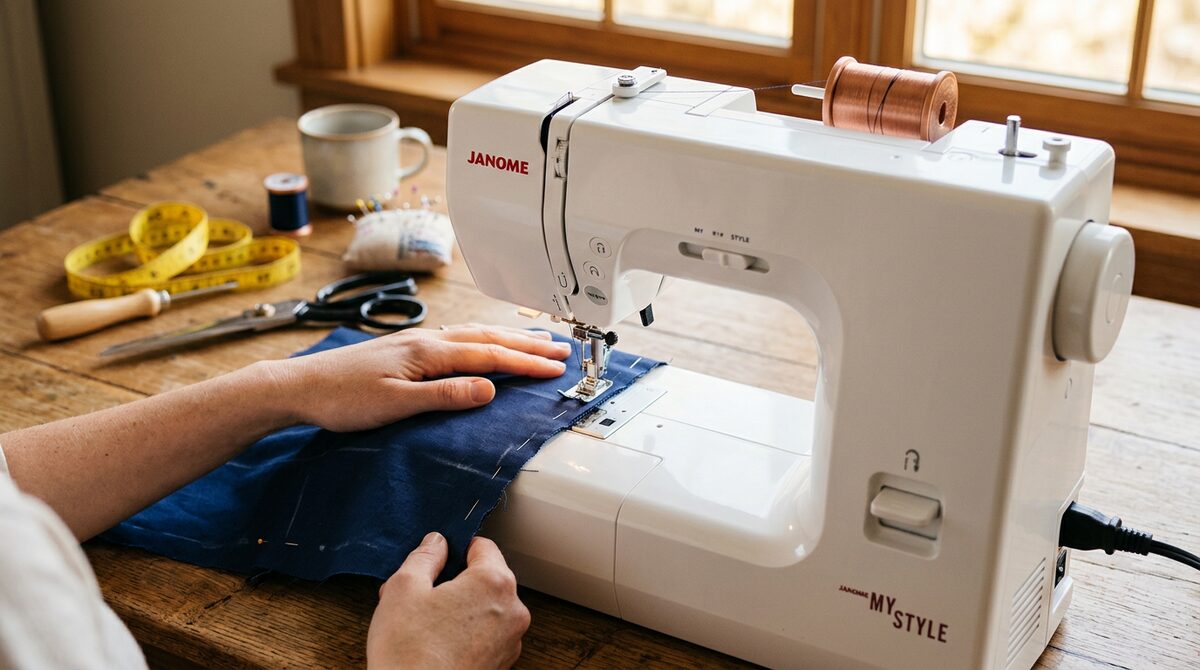
Step 4: Set Up Your Sewing Machine
Linen responds well to a few specific machine settings. Here's what to dial in before you start sewing:
| Setting | Recommendation |
|---|---|
| Stitch length | 2.5–3.0mm |
| Presser foot pressure | Medium to slightly reduced |
| Needle position | Center |
| Tension | Standard (adjust if puckering occurs) |
The Singer Quantum Stylist 9960 (rated 4.4/5, priced $350–$450) is an excellent machine for linen projects. Its 600 built-in stitches include decorative options that look stunning on linen, and its adjustable presser foot pressure handles the fabric's thickness beautifully. Available at [Amazon](https://www.amazon.com/dp/B004RDH7Y8?tag=smarterfabric-20) or directly from [Singer](https://www.singer.com/quantum-stylist-9960-sewing-machine).
Pro tip: Use a walking foot or even-feed foot if your linen is slipping or feeding unevenly. This is especially helpful for heavier linen weights.
---
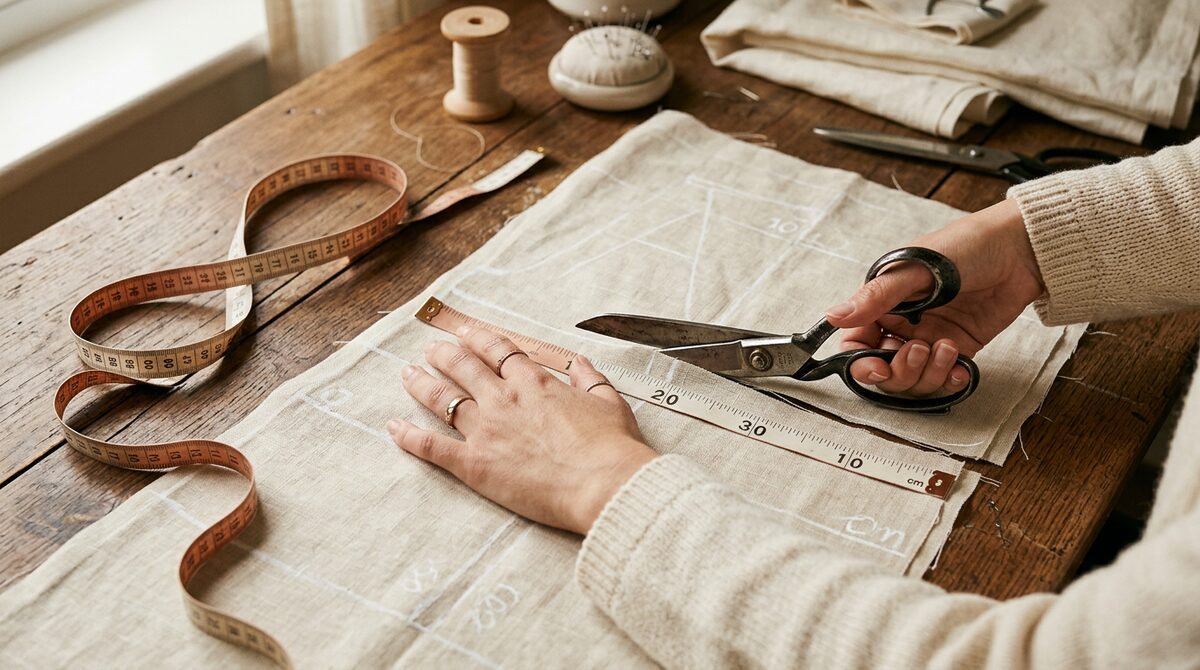
Step 5: Cut and Handle Linen Carefully
Linen frays — a lot. Here's how to manage it:
---
Step 6: Finishing Techniques for Linen
Because linen frays so readily, edge finishing is essential. Here are the best options:
---
Common Linen Sewing Mistakes to Avoid
---
Final Thoughts
Linen is a rewarding fabric to work with once you understand its quirks. Pre-wash it, use the right needle and thread, finish your edges, and press at every step — and you'll be rewarded with beautiful, long-lasting projects that only get better with time.
Whether you're sewing a breezy summer blouse, a structured tote bag, or elegant table linens, linen is a fabric worth mastering. Happy sewing!
Products Mentioned in This Post
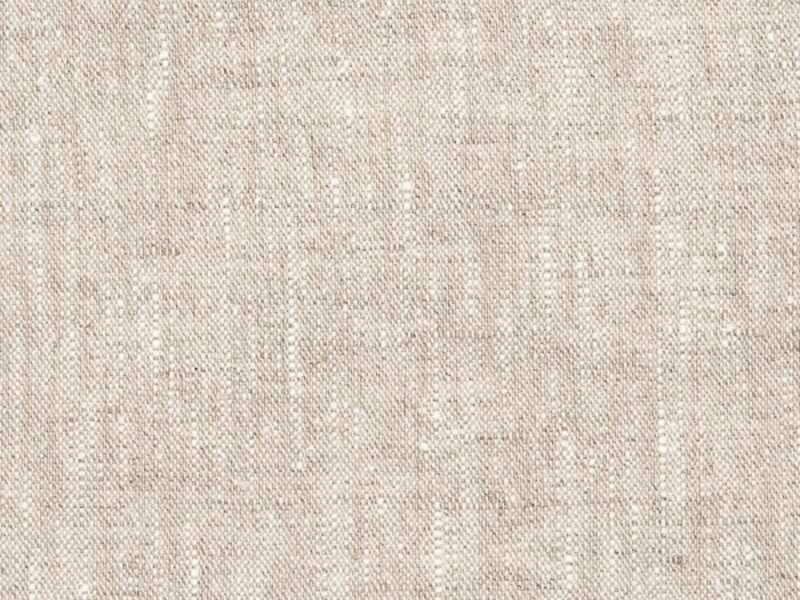
Linen Fabric
Natural linen fabric with beautiful texture, ideal for summer garments.
$15 - $35
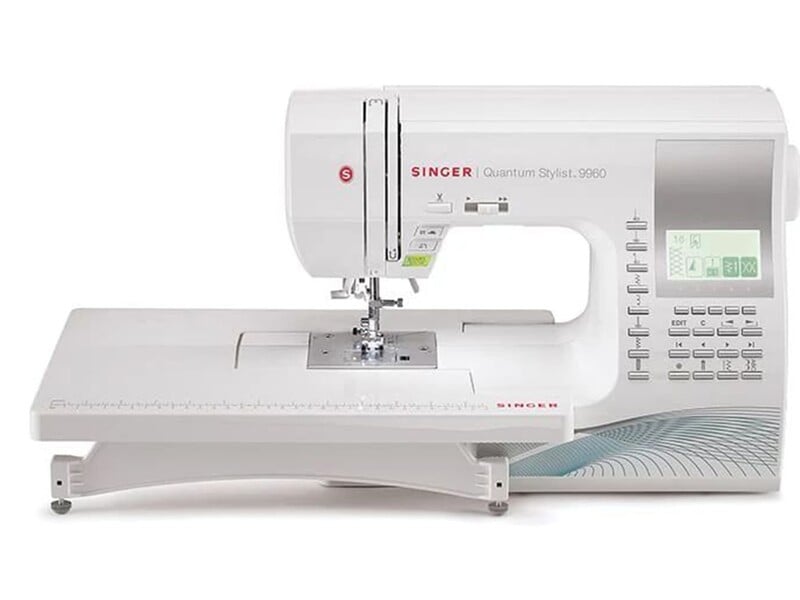
Singer Quantum Stylist 9960
Feature-packed computerized machine with 600 built-in stitches.
$350 - $450
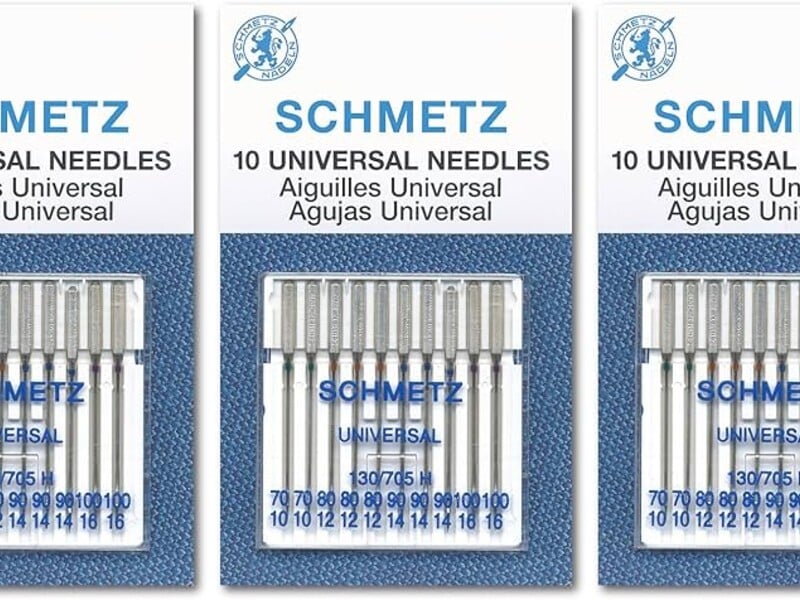
Universal Sewing Needles
Versatile needles suitable for most woven and knit fabrics.
$4 - $8
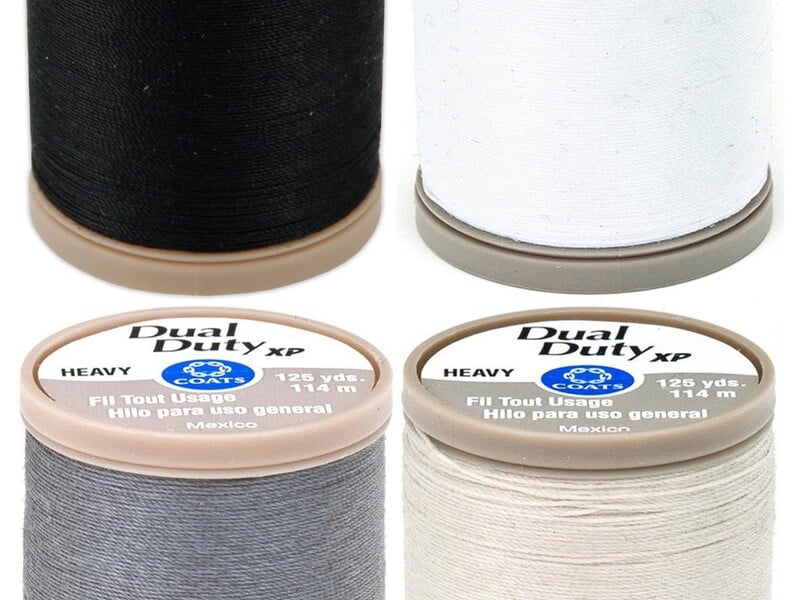
Coats & Clark Dual Duty
Reliable cotton-wrapped polyester thread for everyday sewing.
$2 - $5
Want deeper dives?
Check out our expert-written guides for comprehensive fabric and sewing knowledge.
Found this helpful? Share it with your sewing community!