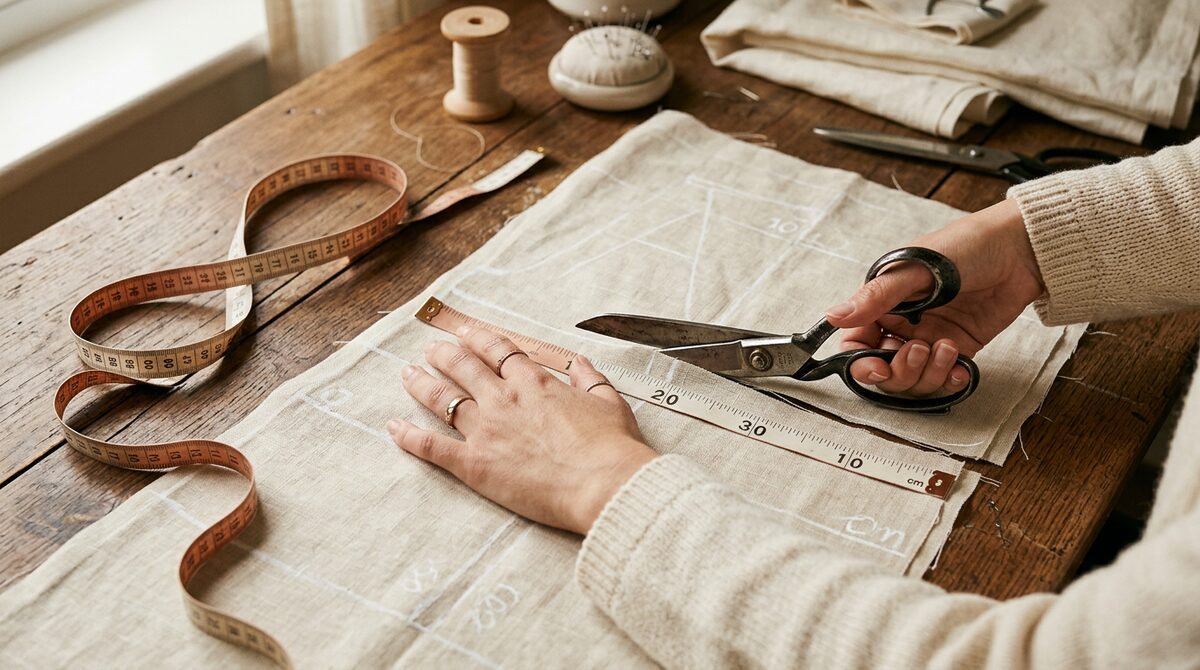
The Complete Guide to Sewing with Satin Fabric
Master satin fabric with expert tips on cutting, needles, machine settings, and finishing techniques for flawless results every time.
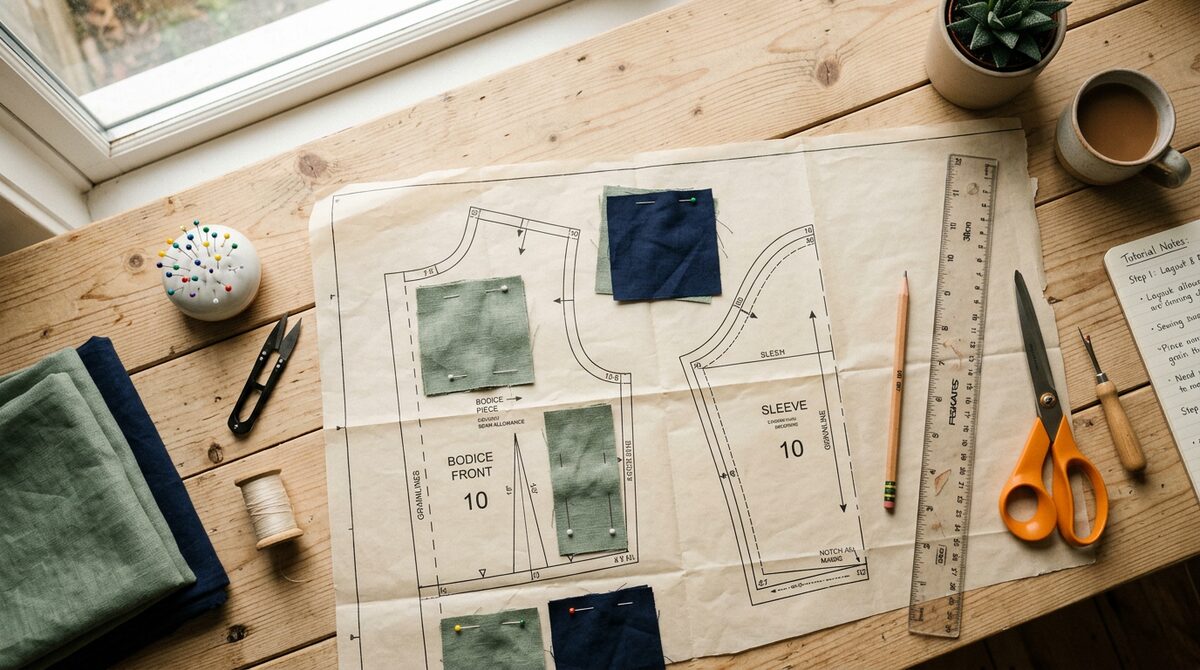
The Complete Guide to Sewing with Satin Fabric
Satin is one of the most glamorous fabrics in any sewist's toolkit — silky, lustrous, and undeniably beautiful. But it's also one of the trickiest to work with. If you've ever watched satin slide off your cutting table or ended up with puckered seams on a formal gown, you know the frustration firsthand.
This guide covers everything you need to know: how to cut satin cleanly, which needles and machine settings to use, and how to finish seams so your project looks professionally made.
---
What Is Satin Fabric?
Satin is defined by its weave structure, not its fiber content. The satin weave creates a smooth, shiny surface by floating warp threads over multiple weft threads. It can be made from silk, polyester, acetate, or nylon — each with slightly different handling characteristics.
Common satin types you'll encounter:
For most home sewists, polyester satin (priced around $10–$30 per yard) is the best starting point. Mood Fabrics carries an excellent selection — Available at [Mood Fabrics](https://www.awin1.com/cread.php?awinmid=53817&awinaffid=2801410&ued=https%3A%2F%2Fwww.moodfabrics.com%2Fsearch%3Fq%3Dsatin) or [Amazon](https://www.amazon.com/dp/B0D7RT8N4Z?tag=smarterfabric-20). With a quality rating of 4.4/5, it's a reliable choice for everything from evening wear to home décor.
---
Step 1: Prepare Your Workspace
Before you cut a single inch of satin, set up your workspace for success.
**Pro tip:** Satin is notorious for shifting during cutting. Always use pattern weights instead of pins to hold your pattern pieces, and cut on a non-slip surface like a cutting mat.
What you'll need:
---
Step 2: Cutting Satin Cleanly
Dull scissors are the enemy of satin. Even a slightly dull blade will cause the fabric to snag, fray, or shift as you cut — leaving you with jagged edges that are impossible to sew accurately.
The Fiskars Fabric Scissors 8" (rated 4.8/5, priced at $15–$30) are an outstanding choice for cutting satin. Their precision-ground blades stay sharp through hundreds of cuts, and the ergonomic handle reduces hand fatigue on longer projects. Available at [Amazon](https://www.amazon.com/dp/B00006IFN9?tag=smarterfabric-20) or [JOANN](https://www.joann.com/search?q=fabric+scissors).
Cutting tips for satin:
---
Step 3: Choosing the Right Needle
Needle choice makes or breaks your satin project. The wrong needle will leave snag marks, skip stitches, or create visible holes in the fabric.
For most satin fabrics, use:
The Schmetz Ballpoint Needles (rated 4.6/5, priced at just $4–$8) are a sewist's staple. Their rounded tip slides between fabric fibers rather than piercing them, which is especially useful for satin blends. Available at [Amazon](https://www.amazon.com/dp/B00BPEFVGI?tag=smarterfabric-20).
If you're working on a quilted satin project (like a satin-topped quilt or decorative pillow), Schmetz Quilting Needles (4.6/5, $5–$10) offer a tapered point that handles multiple fabric layers beautifully. Available at [Amazon](https://www.amazon.com/dp/B000I1HQ9E?tag=smarterfabric-20).
Always start with a fresh needle — satin will reveal even the slightest needle dullness.
---
Step 4: Machine Settings for Satin
Your sewing machine settings are just as important as your needle choice. Satin requires a lighter touch than cotton or denim.
Recommended settings:
The Singer Quantum Stylist 9960 (rated 4.4/5, priced at $350–$450) is an excellent machine for satin work. Its 600 built-in stitches include decorative options perfect for satin embellishments, and its automatic tension adjustment takes much of the guesswork out of working with slippery fabrics. Available at [Amazon](https://www.amazon.com/dp/B004RDH7Y8?tag=smarterfabric-20) or [Singer Direct](https://www.singer.com/quantum-stylist-9960-sewing-machine).
For sewists interested in adding embroidery to satin — think monogrammed pillowcases or embellished evening bags — the Brother SE600 Embroidery Machine (rated 4.6/5, $500–$650) is a powerhouse. Its built-in embroidery designs look stunning on satin's reflective surface. Available at [Amazon](https://www.amazon.com/s?k=Brother+SE700+Embroidery+Sewing+Machine&tag=smarterfabric-20) or [Brother Direct](https://www.brother-usa.com/products/se600).
---
Step 5: Sewing Satin Seams
Even with perfect settings, satin can shift under the presser foot. Here's how to keep it under control:
---
Step 6: Finishing Seams
Satin frays readily, so seam finishing is non-negotiable.
Best seam finishing methods for satin:
For most home projects, French seams are the gold standard. They're invisible from the outside and prevent fraying without adding bulk.
---
Common Satin Sewing Mistakes (and How to Avoid Them)
| Mistake | Fix |
|---|---|
| Puckered seams | Reduce tension; use shorter stitch length |
| Snags from needle | Switch to a fresh sharp or Microtex needle |
| Fabric shifting while cutting | Cut one layer at a time; use pattern weights |
| Iron marks or melting | Use a pressing cloth; set iron to low/silk setting |
| Skipped stitches | Replace needle; check thread path |
---
Final Thoughts
Satin rewards patience and preparation. Once you've dialed in your cutting technique, needle choice, and machine settings, you'll find it's a genuinely enjoyable fabric to work with — and the results are stunning.
Start with a simple project like a satin pillowcase or a lined tote bag before tackling a full evening gown. Build your confidence with each project, and you'll soon be reaching for satin whenever you want to add a touch of luxury to your sewing.
Ready to get started? Pick up some satin fabric from [Mood Fabrics](https://www.awin1.com/cread.php?awinmid=53817&awinaffid=2801410&ued=https%3A%2F%2Fwww.moodfabrics.com%2Fsearch%3Fq%3Dsatin) or [Amazon](https://www.amazon.com/dp/B0D7RT8N4Z?tag=smarterfabric-20), grab a pack of sharp needles, and give it a try. Your next project might just be your most beautiful one yet.
Products Mentioned in This Post
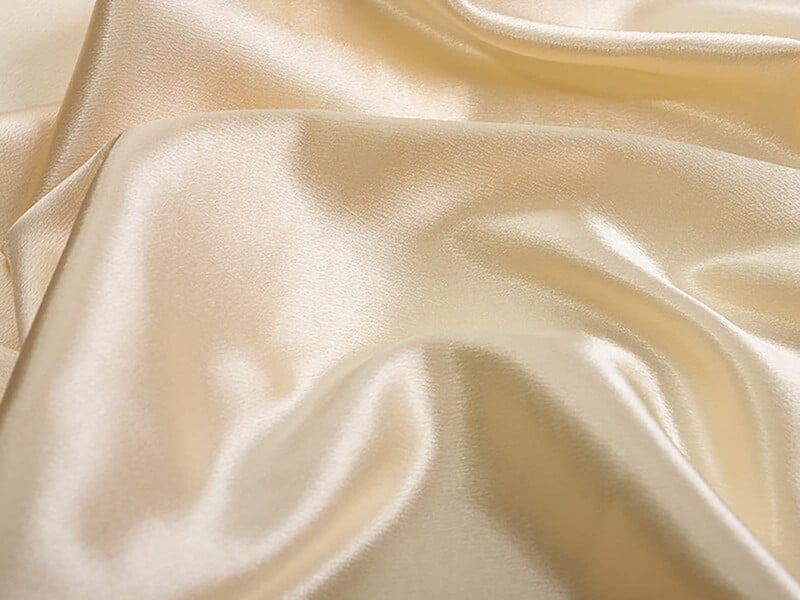
Satin Fabric
Glossy satin fabric with smooth finish for formal and bridal wear.
$10 - $30
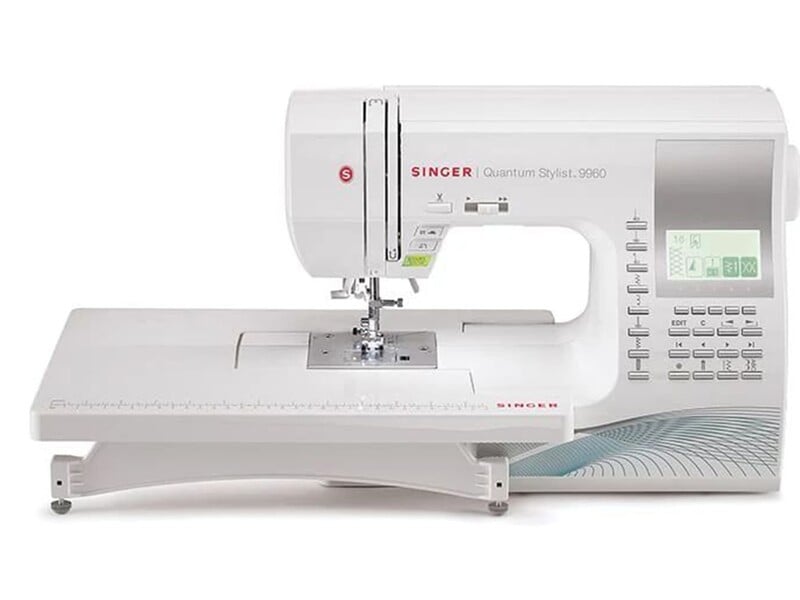
Singer Quantum Stylist 9960
Feature-packed computerized machine with 600 built-in stitches.
$350 - $450
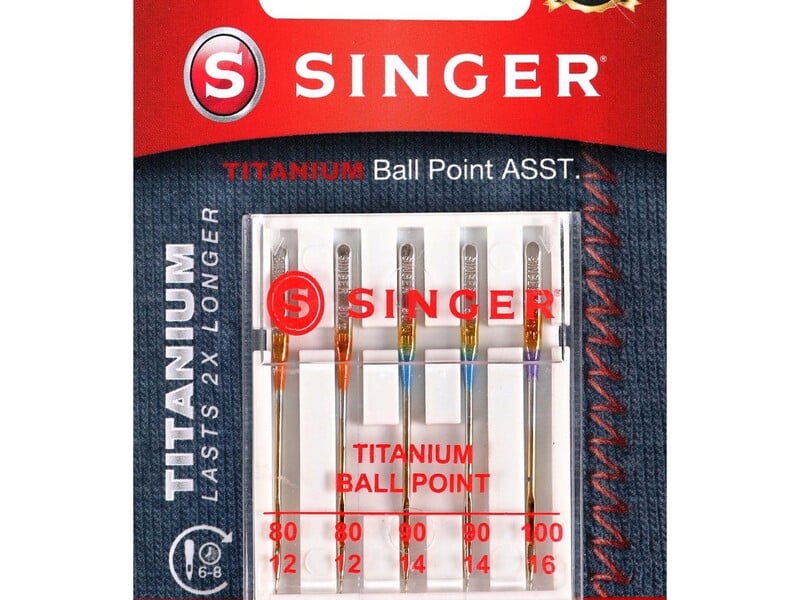
Ballpoint Needles
Rounded tip needles designed specifically for knit fabrics.
$4 - $8
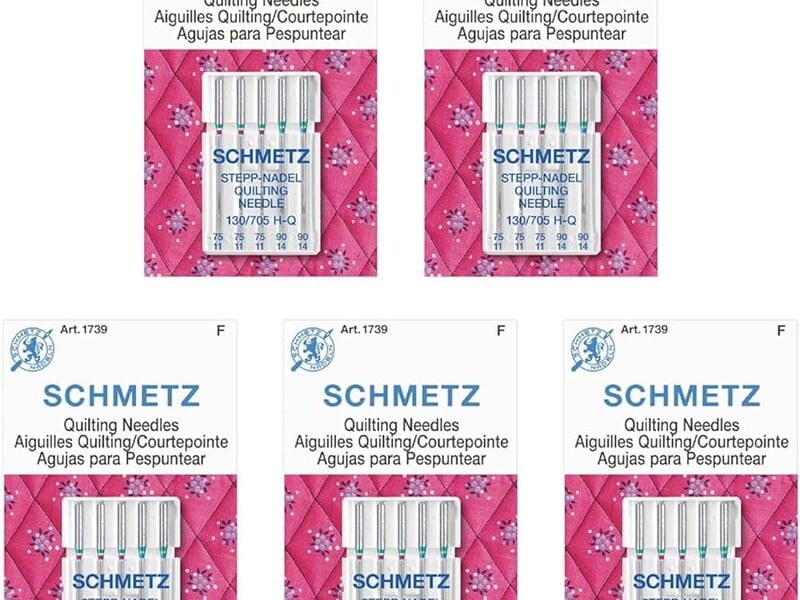
Quilting Needles
Tapered point needles designed for piecing and quilting.
$5 - $10
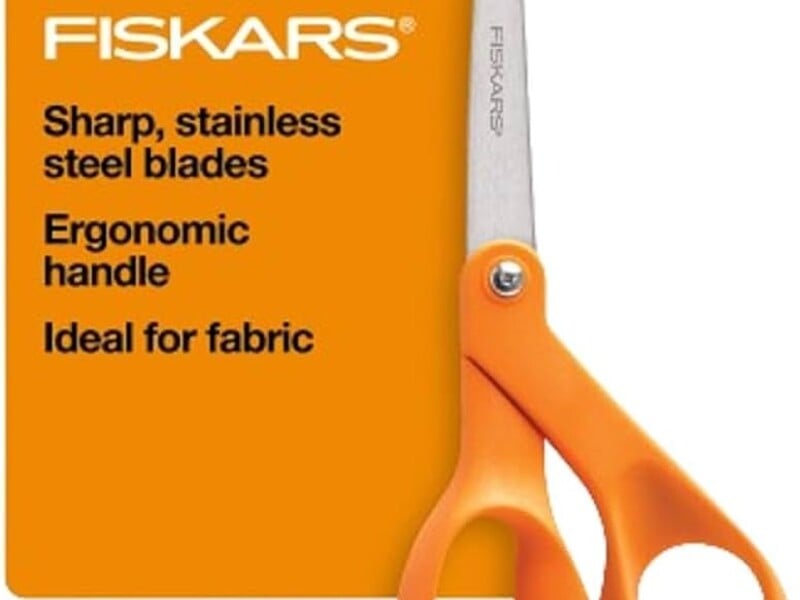
Fiskars Fabric Scissors 8"
Premium dressmaking shears with micro-tip precision.
$15 - $30
Want deeper dives?
Check out our expert-written guides for comprehensive fabric and sewing knowledge.
Found this helpful? Share it with your sewing community!