10 Essential Sewing Tips Every Beginner Should Know
Master the fundamentals of sewing with these 10 practical tips covering fabric choice, tools, and technique for flawless results.
10 Essential Sewing Tips Every Beginner Should Know
Starting your sewing journey can feel overwhelming — there are fabrics to choose, tools to buy, and techniques to master. But with the right guidance, you can skip the most common mistakes and build confidence from your very first project. Here are ten practical tips that will set you up for success.
---
1. Choose the Right Fabric for Your Skill Level
Not all fabrics are created equal, and some are far more forgiving than others. As a beginner, reach for medium-weight wovens before tackling slippery silks or stretchy knits.
Duck Cloth Canvas Fabric ($10–$20/yard, quality rating 4.6/5) is an excellent starting point. Its firm, stable weave holds its shape, making it easy to cut, pin, and sew accurately. It's ideal for tote bags, aprons, and home décor projects. Available at [Amazon](https://www.amazon.com/dp/B00H7JTS8W?tag=smarterfabric-20) or [Mood Fabrics](https://www.awin1.com/cread.php?awinmid=53817&awinaffid=2801410&ued=https%3A%2F%2Fwww.moodfabrics.com%2Fsearch%3Fq%3Dcanvas).
**Pro tip:** Always pre-wash your fabric before cutting. Most natural fibers shrink, and pre-washing prevents your finished project from distorting after its first launder.
---
2. Don't Underestimate Polyester Blend Fabrics
Budget-conscious beginners often overlook Joann Polyester Blend fabric ($5–$12/yard, quality rating 3.8/5), but it has real advantages: it's wrinkle-resistant, widely available, and very easy to sew. It's a smart choice for practice projects and everyday garments. Find it at [Amazon](https://www.amazon.com/dp/B09M41NC1Z?tag=smarterfabric-20) or [JOANN](https://www.joann.com/search?q=polyester+fabric).
---
3. Use the Correct Needle for Your Fabric
One of the most overlooked beginner mistakes is using the wrong needle. A universal needle works for many fabrics, but specialty needles make a real difference.
Schmetz Quilting Needles ($5–$10 per pack, quality rating 4.6/5) feature a tapered point designed to pierce multiple fabric layers cleanly — perfect for quilts, patchwork, and any project with thick seams. Available at [Amazon](https://www.amazon.com/dp/B000I1HQ9E?tag=smarterfabric-20).
Replace your needle every 8–10 hours of sewing time. A dull needle causes skipped stitches and fabric damage.
---
4. Invest in Quality Thread
Cheap thread breaks, tangles, and leaves lint in your machine. Coats & Clark Dual Duty thread ($2–$5 per spool, quality rating 4.3/5) is a reliable all-purpose choice that works well across a wide range of fabrics and machines. It's widely available at [Amazon](https://www.amazon.com/dp/B01LA1P41W?tag=smarterfabric-20) and [JOANN](https://www.joann.com/search?q=sewing+thread).
Match your thread color to your fabric as closely as possible. When in doubt, go one shade darker — it blends better than going lighter.
---
5. Always Press Your Seams
Pressing (not ironing — there's a difference!) is what separates amateur-looking projects from professional ones. After sewing each seam, press it flat with an iron before moving on. This sets the stitches and makes subsequent steps much easier.
---
6. Learn to Love Your Seam Ripper
Mistakes happen to every sewist, even experienced ones. A quality Dritz Seam Ripper ($3–$10, quality rating 4.5/5) is your best friend when you need to undo a seam without damaging the fabric. Available at [Amazon](https://www.amazon.com/dp/B0001DSIVY?tag=smarterfabric-20).
Use the pointed tip to slide under individual stitches, then the curved blade to cut the thread. Work slowly to avoid nicking the fabric.
---
7. Know When to Splurge on Fabric
Once you're comfortable with the basics, consider upgrading to premium materials for special projects. Pendleton Wool Flannel ($30–$60/yard, quality rating 4.7/5) is a beautiful, durable fabric that rewards careful sewing with stunning results. It's warm, drapes elegantly, and holds its shape for years. Find it at [Mood Fabrics](https://www.awin1.com/cread.php?awinmid=53817&awinaffid=2801410&ued=https%3A%2F%2Fwww.moodfabrics.com%2Fsearch%3Fq%3Dwool) or [Amazon](https://www.amazon.com/dp/B00TQB9XNY?tag=smarterfabric-20).
Wool flannel requires a pressing cloth to avoid shine marks. Always test your iron temperature on a scrap piece first.
---
8. Cut Accurately — Measure Twice, Cut Once
Inaccurate cutting is the root cause of most fitting problems. Use sharp fabric scissors (never paper scissors!), a rotary cutter with a self-healing mat, and a clear acrylic ruler for straight lines. Pin your pattern pieces securely before cutting, or use pattern weights to keep them flat.
---
9. Sew a Consistent Seam Allowance
Most patterns use a 5/8-inch seam allowance for garments and 1/4-inch for quilting. Use the guide lines on your machine's throat plate, or apply a piece of masking tape as a visual guide. Inconsistent seam allowances cause pieces to not fit together properly.
---
10. Practice on Scrap Fabric First
Before sewing your actual project, always test your stitch length, tension, and needle on a scrap of the same fabric. This takes two minutes and can save an entire project from disaster.
---
Final Thoughts
Sewing is a skill that rewards patience and practice. Start with forgiving fabrics like canvas or polyester blends, invest in quality tools like sharp needles and reliable thread, and don't be afraid to use your seam ripper when needed. With each project, you'll build the muscle memory and eye for detail that makes sewing genuinely enjoyable.
Happy sewing! 🧵
Products Mentioned in This Post
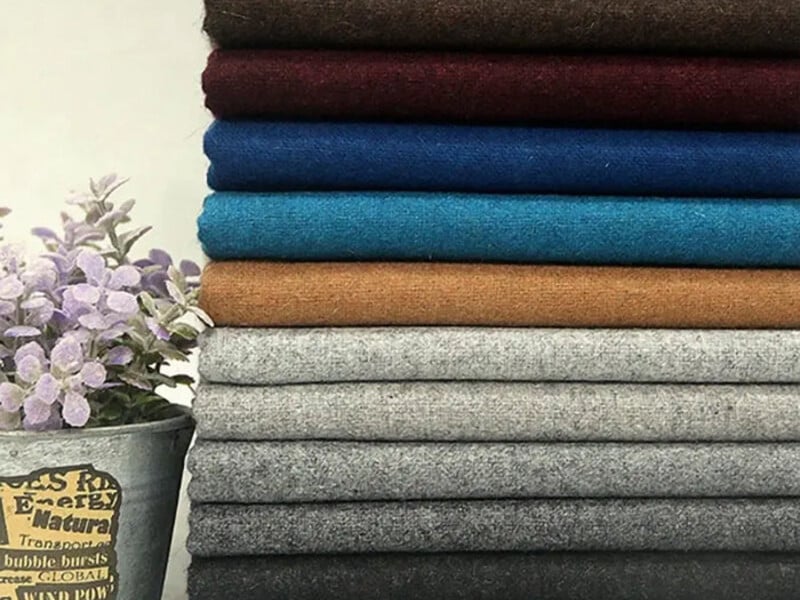
Wool Flannel
Soft wool flannel fabric with brushed finish, perfect for winter garments.
$30 - $60
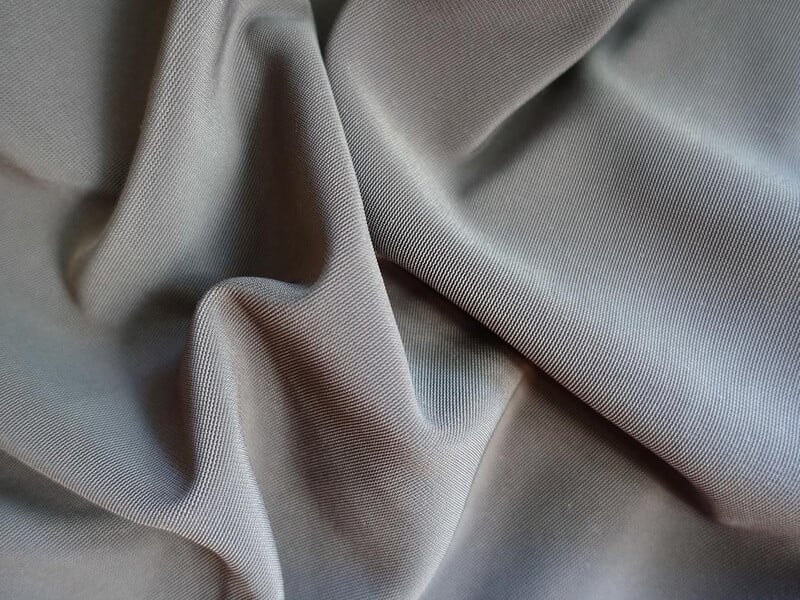
Polyester Blend
Versatile polyester blend fabric with excellent durability and easy care.
$5 - $12
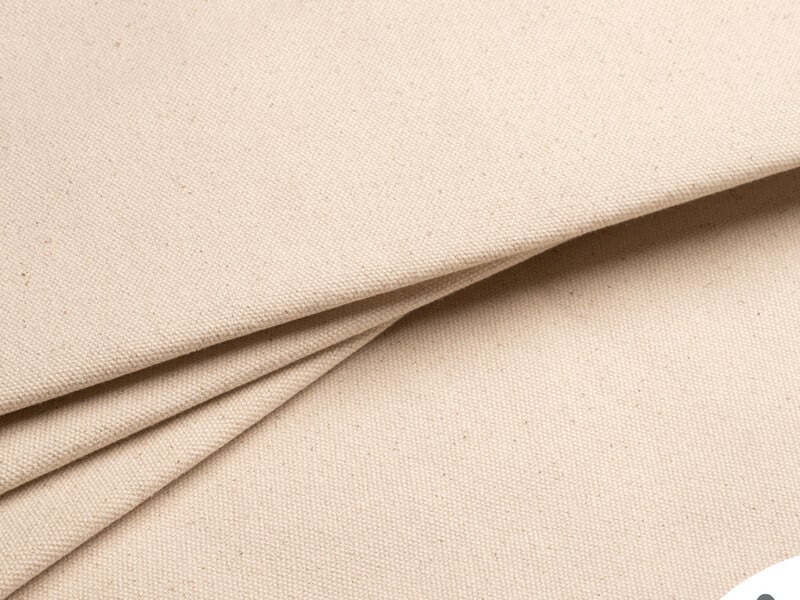
Canvas Fabric
Heavy-duty cotton canvas for bags, upholstery, and outdoor projects.
$10 - $20
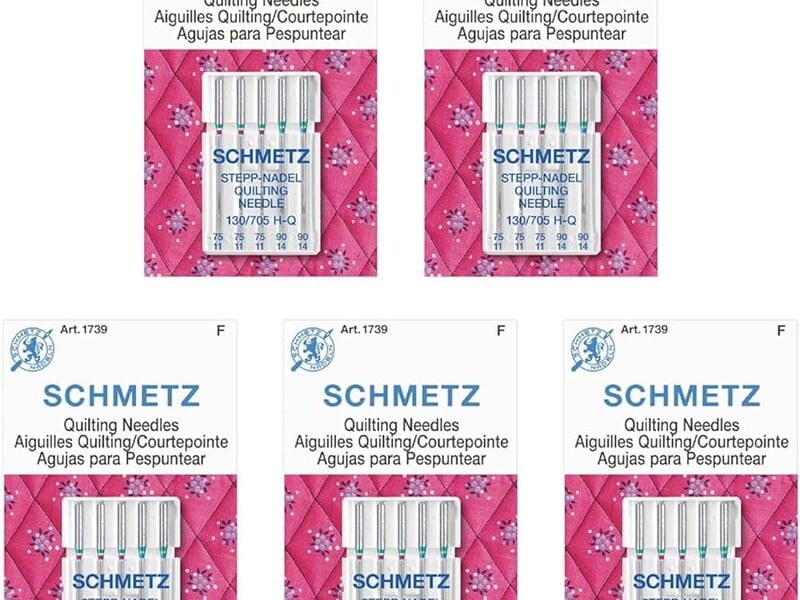
Quilting Needles
Tapered point needles designed for piecing and quilting.
$5 - $10
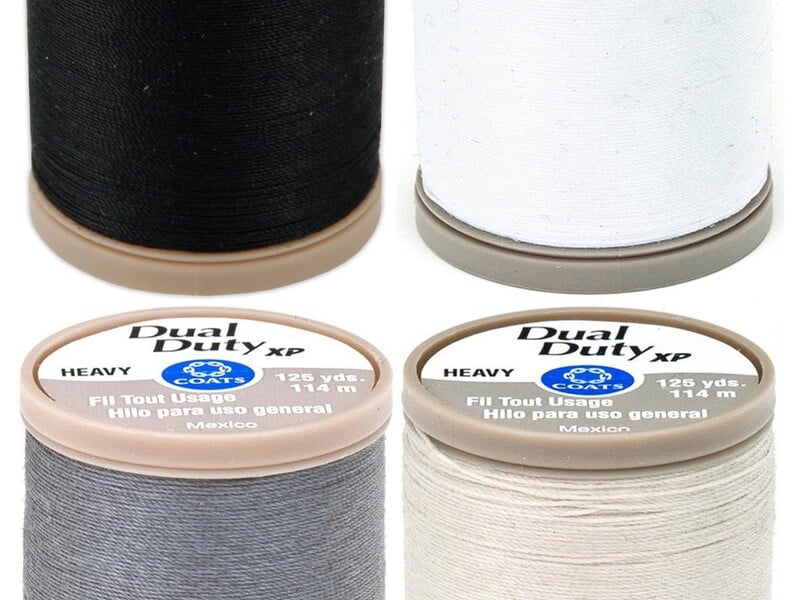
Coats & Clark Dual Duty
Reliable cotton-wrapped polyester thread for everyday sewing.
$2 - $5
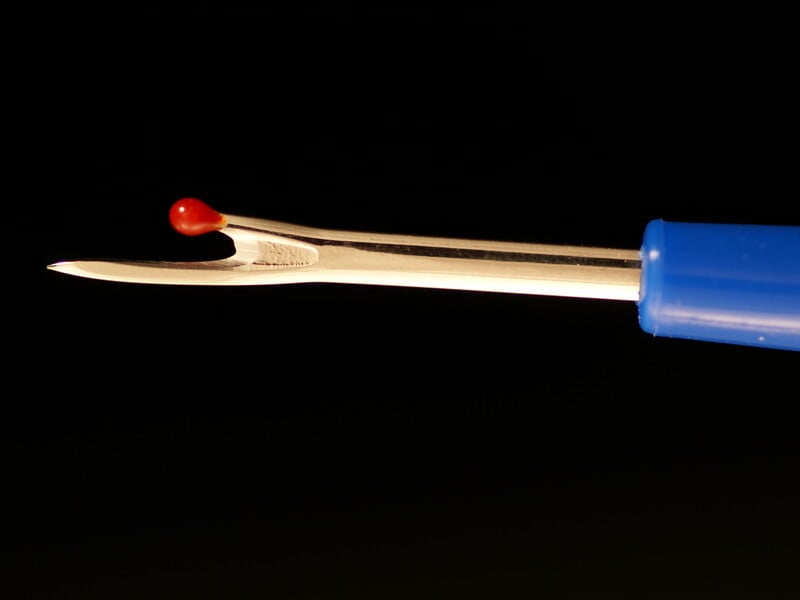
Seam Ripper
Essential tool for removing stitches and opening seams.
$3 - $10
Want deeper dives?
Check out our expert-written guides for comprehensive fabric and sewing knowledge.
Found this helpful? Share it with your sewing community!