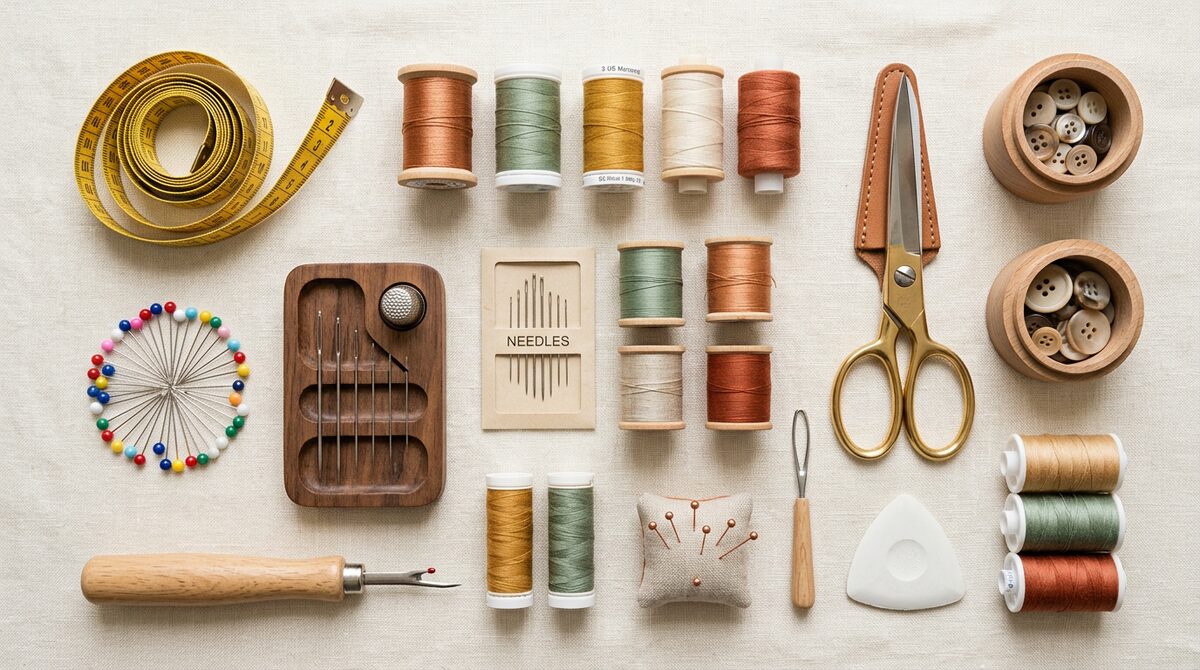
10 Essential Sewing Tips Every Beginner Should Know
Master the fundamentals of sewing with these 10 practical tips covering tools, fabric prep, and machine settings that will transform your projects.
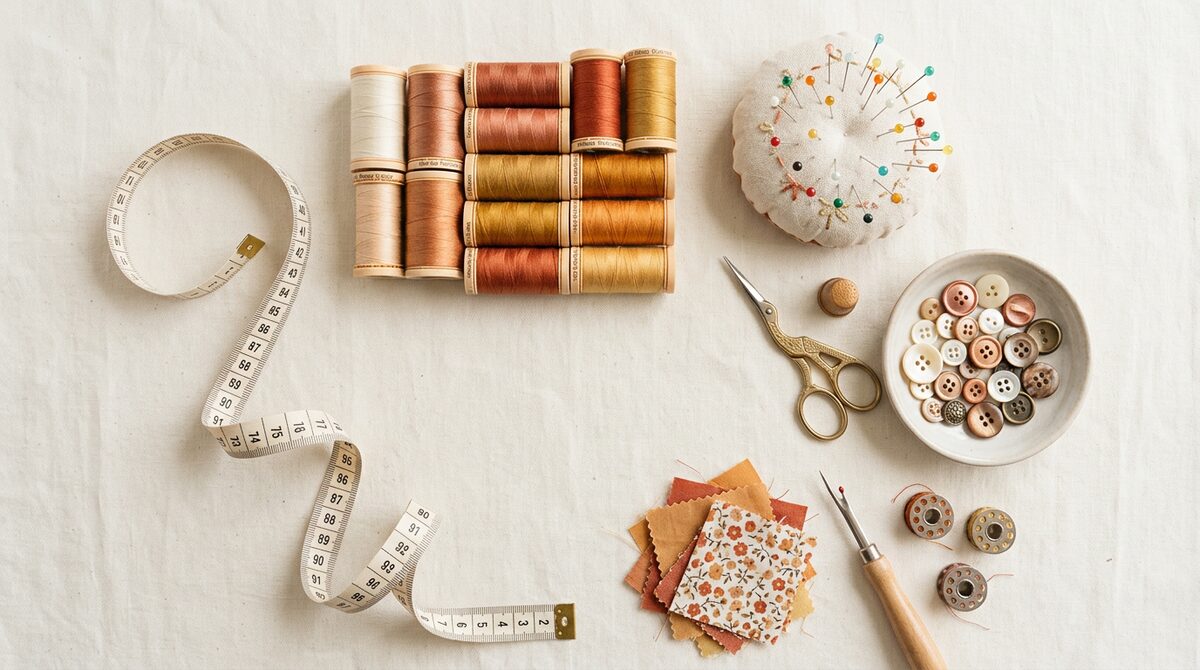
10 Essential Sewing Tips Every Beginner Should Know
Starting your sewing journey can feel overwhelming — there are fabrics to choose, tools to buy, and techniques to master. But the good news? A handful of smart habits early on will save you hours of frustration and help you produce cleaner, more professional results from day one.
Here are 10 essential tips that experienced sewists wish they'd known at the beginning.
1. Always Pre-Wash Your Fabric
Fabric shrinks — sometimes dramatically — the first time it hits water. If you skip pre-washing, a perfectly fitted garment can become unwearable after its first launder.
**Rule of thumb:** Pre-wash every fabric the same way you plan to wash the finished item. Cotton quilting fabric (like Robert Kaufman's premium line, $8–$15/yard) can shrink up to 5% if not pre-treated.
For denim, pre-washing is especially critical. Cone Mills denim ($12–$25/yard) is a high-quality option, but even top-grade denim will shrink and bleed color if you skip this step. Wash it twice before cutting.
2. Press, Don't Iron
There's a difference between ironing (sliding the iron back and forth) and pressing (lifting and placing the iron straight down). Pressing preserves the shape of your seams and prevents fabric distortion — especially important with stretchy or bias-cut pieces.
Make pressing a habit after every seam. Your finished projects will look noticeably more polished.
3. Use the Right Needle for Your Fabric
A universal needle works in a pinch, but using the correct needle for your fabric type makes a real difference in stitch quality and fabric longevity.
Schmetz Quilting Needles ($5–$10 per pack) are a reliable choice for cotton and quilting projects. They're sharp enough to pierce multiple layers cleanly without leaving visible holes.
Replace your needle every 8–10 hours of sewing time, or whenever you hear a popping sound as it enters the fabric — that's a sign it's dulled.
4. Pin Perpendicular to the Seam
Many beginners pin parallel to the seam line, which makes it hard to remove pins as you sew and can cause the fabric to shift. Instead, pin perpendicular (at a right angle) to the seam. This lets you sew right up to each pin and pull it out smoothly without stopping.
A Dritz Tomato Pincushion ($3–$8) keeps your pins organized and within easy reach. It's a small investment that pays off in workflow efficiency — you'll spend less time hunting for pins and more time sewing.
5. Cut on a Self-Healing Mat
Cutting fabric on a table or floor leads to inaccurate cuts and damaged surfaces. A self-healing cutting mat protects your work surface and gives you accurate grid lines for squaring up fabric.
The Olfa Self-Healing Cutting Mat ($15–$45) is a top-rated option with a quality rating of 4.6/5. The self-healing surface closes up after rotary cutter passes, extending the mat's life significantly. Available at [Amazon](https://www.amazon.com/dp/B000YZASYO?tag=smarterfabric-20).
Pair it with a rotary cutter and quilting ruler for the most accurate cuts possible.
6. Sew a Test Seam First
Before cutting into your good fabric, always sew a test seam on a scrap of the same material. This lets you dial in:
If you're working with Cone Mills denim ($12–$25/yard), test your settings on a scrap first — denim's thickness can cause tension issues and skipped stitches if your machine isn't set up correctly.
7. Invest in a Quality Machine Early
A frustrating machine makes sewing feel like a chore. If you're serious about the craft, investing in a reliable machine early saves money in the long run.
The Janome HD3000 ($380–$450) is one of the best beginner-to-intermediate machines available, with a quality rating of 4.8/5. It handles everything from lightweight cotton to heavy denim without skipping stitches. Available at [Amazon](https://www.amazon.com/dp/B00916Y4YM?tag=smarterfabric-20).
A good machine won't make you a better sewist overnight, but a bad one will actively hold you back.
8. Learn to Read Grain Lines
Fabric has a grain — the direction of the woven threads. Cutting pieces off-grain causes garments to twist, hang unevenly, and lose their shape over time.
When working with Robert Kaufman cotton quilting fabric ($8–$15/yard), always align pattern pieces with the grain line arrows. This fabric's tight weave makes grain misalignment especially visible in finished quilts.
9. Clip and Notch Your Curves
Sewing curves is one area where beginners often struggle. After sewing a curved seam, you need to clip (for concave curves) or notch (for convex curves) the seam allowance before turning.
This step is what separates a lumpy, puckered curve from a smooth, professional one.
10. Keep a Sewing Journal
Note what worked and what didn't for each project — fabric type, needle size, stitch settings, any modifications you made. Over time, this becomes an invaluable reference that saves you from repeating the same mistakes.
Include swatches of fabric, thread samples, and photos of finished items. You'll be amazed how quickly your skills compound when you're learning intentionally.
---
Quick Reference: Recommended Tools
| Tool | Brand | Price Range | Best For |
|------|-------|-------------|----------|
| Quilting Needles | Schmetz | $5–$10 | Cotton & quilting projects |
| Pincushion | Dritz | $3–$8 | Everyday pinning |
| Cutting Mat | Olfa | $15–$45 | Accurate rotary cutting |
| Sewing Machine | Janome HD3000 | $380–$450 | Beginners to intermediate |
Sewing is a skill that rewards patience and practice. Apply these tips consistently, and you'll notice your projects improving with every seam you sew. Happy stitching!
Products Mentioned in This Post
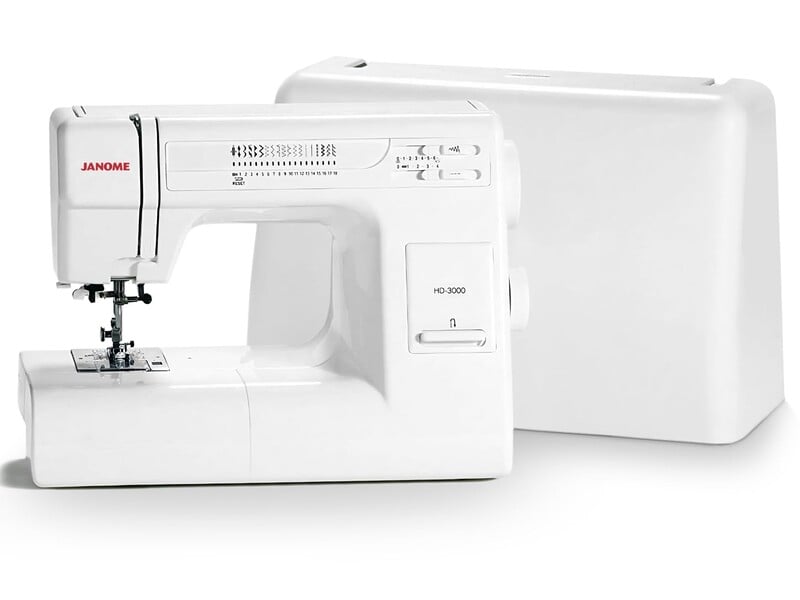
Janome HD3000
Professional-grade heavy-duty machine with aluminum body.
$380 - $450
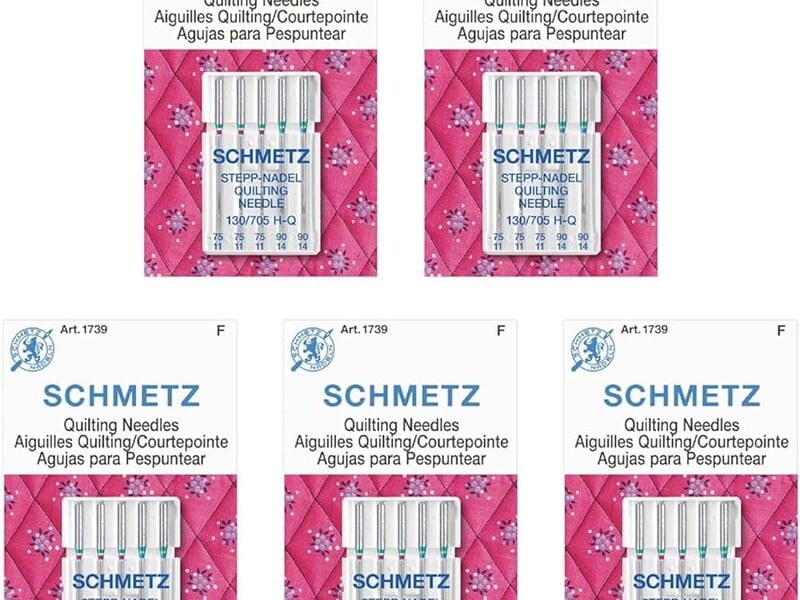
Quilting Needles
Tapered point needles designed for piecing and quilting.
$5 - $10
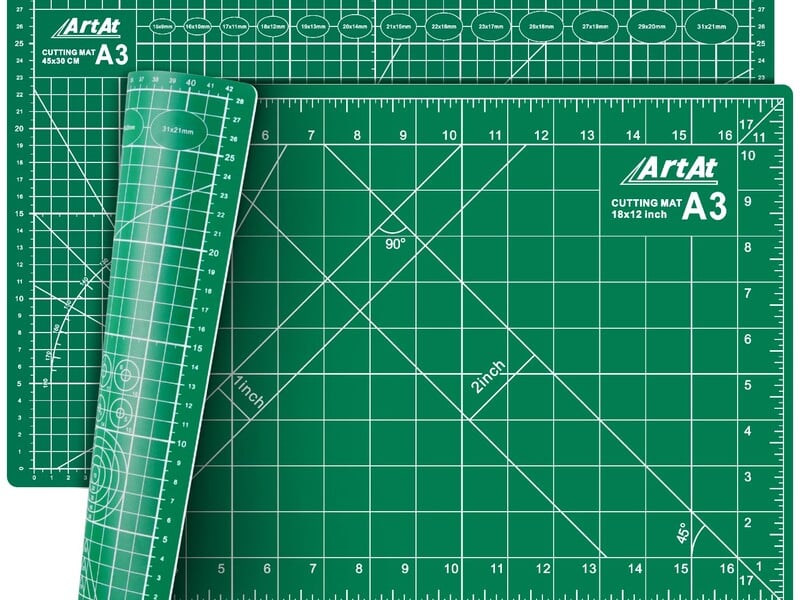
Self-Healing Cutting Mat
Essential cutting surface for rotary cutting.
$15 - $45
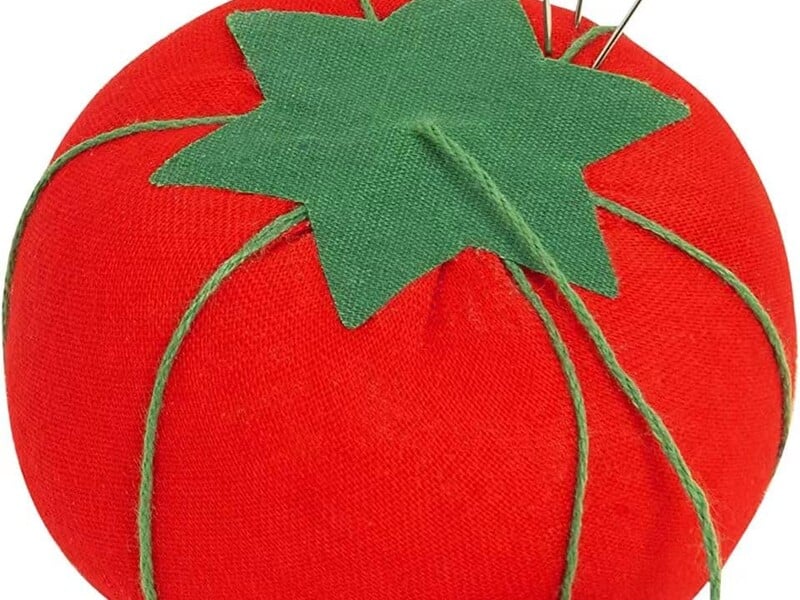
Tomato Pincushion
Classic tomato pincushion with attached strawberry emery.
$3 - $8
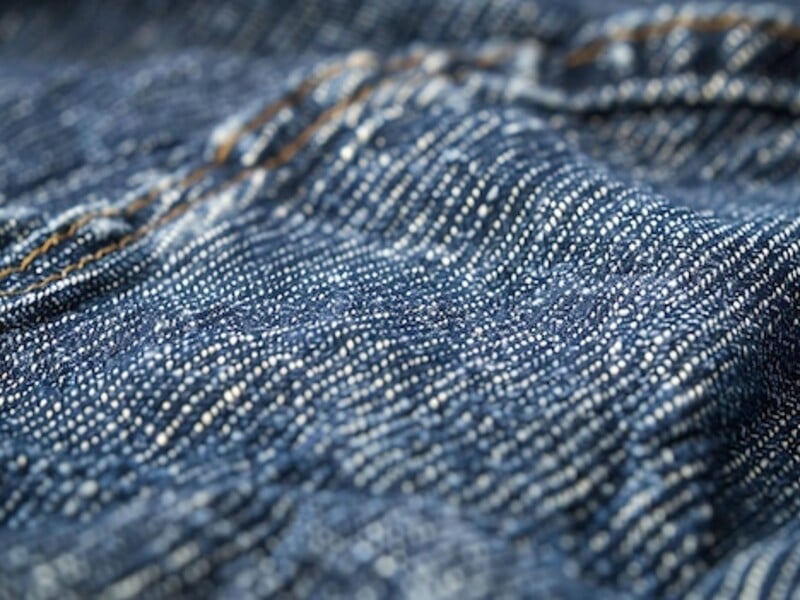
Denim Fabric
Classic cotton denim fabric in medium weight, perfect for jeans and jackets.
$12 - $25
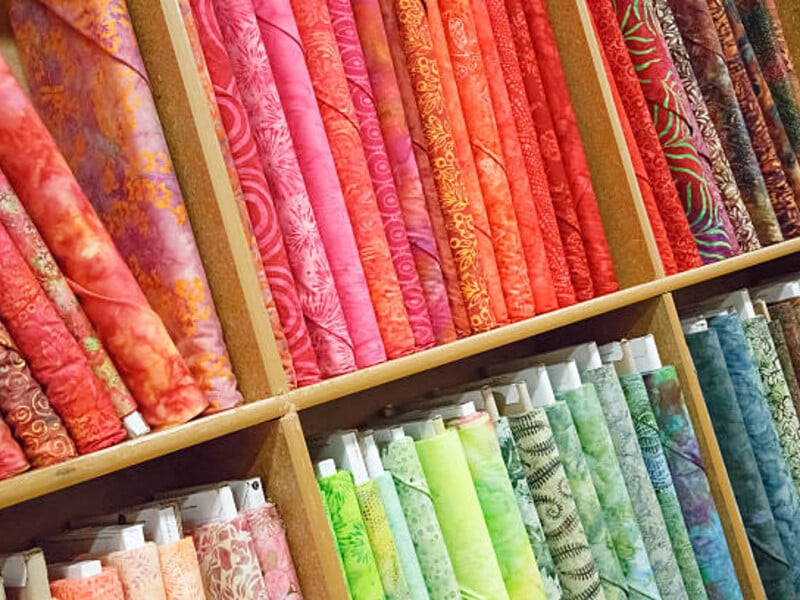
Cotton Quilting Fabric
Premium 100% cotton fabric perfect for quilting, crafts, and general sewing projects.
$8 - $15
Want deeper dives?
Check out our expert-written guides for comprehensive fabric and sewing knowledge.
Found this helpful? Share it with your sewing community!