7 Must-Have Tools for a Faster, Smarter Sewing Workspace
Upgrade your sewing setup with these essential tools and tips that save time, reduce frustration, and improve every stitch.
7 Must-Have Tools for a Faster, Smarter Sewing Workspace
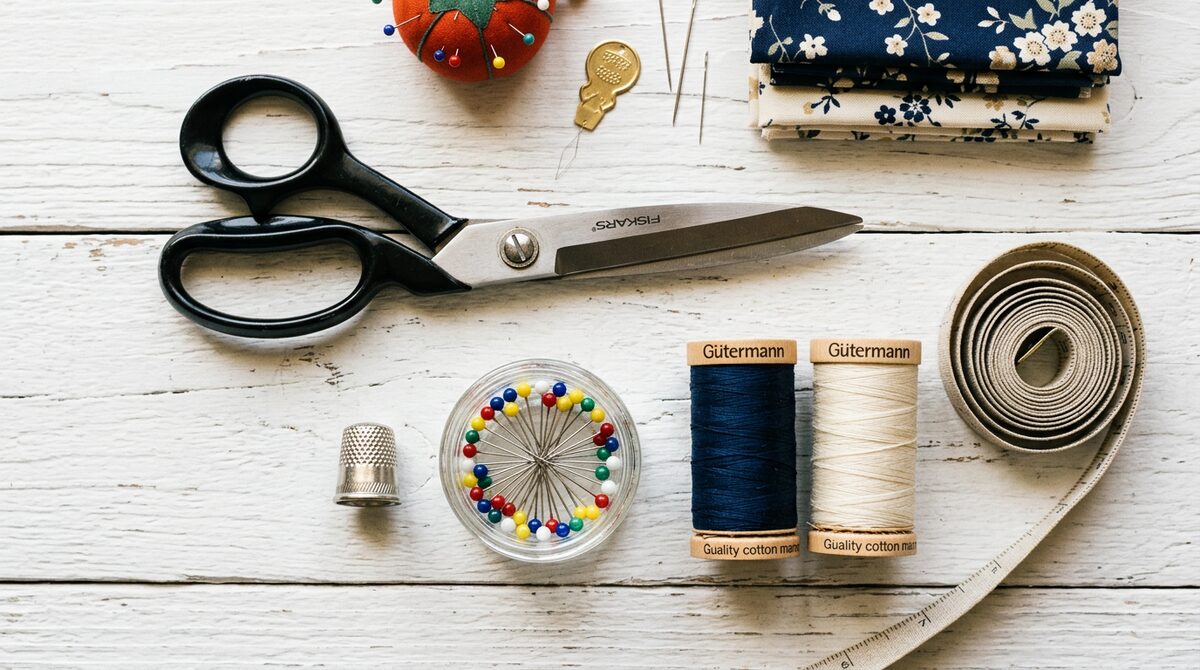
A well-organized sewing workspace isn't just about aesthetics — it's about efficiency, accuracy, and enjoying every session at the machine. Whether you're a weekend hobbyist or a dedicated sewist, the right tools make the difference between a frustrating afternoon and a productive one. Here are seven tips (and the tools behind them) to help you sew smarter, not harder.
---
1. Ditch the Scissors for Straight Cuts — Use a Rotary Cutter
If you're still cutting fabric with scissors alone, you're leaving accuracy on the table. A rotary cutter glides through multiple layers of fabric in a single pass, giving you cleaner edges and saving significant time.
The Olfa Rotary Cutter 45mm (rated 4.7/5 for quality) is a sewist staple for good reason. Priced between $12–$25, it's one of the best value upgrades you can make to your workspace. Pair it with a self-healing cutting mat and a quilting ruler for perfectly straight cuts every time.
**Pro tip:** Always cut away from your body and replace the blade as soon as it starts dragging — a dull blade tears fabric instead of slicing it.
Available at [Amazon](https://blogger.googleusercontent.com/img/b/R29vZ2xl/AVvXsEiioBwTOPodnAfnGkoSvMKXZEK8zUh_Et99_3MOQIoy_KEYfZQa6U5clNgKqTU8kwmFgKbiahtlW9AqYdHy_6bhHMCUVgrYxmHNlnySXPOOaf_wd5gaGcBqBuVs7ZK4u2h87IIOH2GlNUM/s1600/IMG_4717.JPG 2. Keep Pins Within Arm's Reach
Fumbling for pins mid-project breaks your flow. A pincushion on your sewing table keeps pins accessible and organized — and the classic Dritz Tomato Pincushion ($3–$8, rated 4.3/5) has been a sewing room staple for decades.
What makes it extra handy: the attached strawberry emery sharpens and cleans your pins as you use them, extending their life and preventing snags in delicate fabrics.
Available at [Amazon](https://m.media-amazon.com/images/I/81MbFAnySbL._AC_UF350,350_QL80_.jpg) or [JOANN](https://www.joann.com/search?q=sewing+notions).
---
3. Match Your Needle to Your Fabric — Every Single Time
Using the wrong needle is one of the most common (and costly) sewing mistakes. It causes skipped stitches, broken thread, and even damaged fabric.
Ballpoint Needles from Schmetz ($4–$8, rated 4.6/5) are specifically designed for knit and stretch fabrics. Their rounded tip slides between fabric fibers rather than piercing them, preventing runs and holes in jersey, fleece, and other knits.
**Rule of thumb:** Universal needles for wovens, ballpoint for knits, denim needles for heavy denim and canvas, and embroidery needles for decorative stitching.
Keep a variety pack in your workspace so you're never tempted to use the wrong needle just because it's already in the machine.
Available at [Amazon](https://www.amazon.com/dp/B00BPEFVGI?tag=smarterfabric-20).
---
4. Pre-Wash and Press Your Fabric Before Cutting
Skipping the pre-wash step is a beginner mistake that leads to garments that shrink or warp after the first wash. This is especially important with natural fibers like Cone Mills Denim Fabric ($12–$25, quality rating 4.6/5, durability 95%).
Denim in particular can shrink 3–5% after the first wash. Pre-washing locks in the final dimensions so your finished project fits the way you intended.
Pre-wash checklist:
Shop quality denim at [Amazon](https://www.amazon.com/dp/B0D8BWQFX3?tag=smarterfabric-20) or [Mood Fabrics](https://www.awin1.com/cread.php?awinmid=53817&awinaffid=2801410&ued=https%3A%2F%2Fwww.moodfabrics.com%2Fsearch%3Fq%3Ddenim).
---
5. Invest in a Machine That Grows With You
Your sewing machine is the heart of your workspace. A machine that's too basic will frustrate you as your skills grow; one that's too advanced can overwhelm a beginner.
The Brother CS7000X ($200–$280, rated 4.7/5, durability 85%) hits the sweet spot for beginners and intermediate sewists. It's a computerized machine with 70 built-in stitches, an automatic needle threader, and a wide table extension — all features that make everyday sewing faster and less fiddly.
If you're ready to add embroidery to your repertoire, the Brother SE600 ($500–$650, rated 4.6/5) combines sewing and embroidery in one machine with a 4x4 hoop — ideal for monogramming, appliqué, and decorative projects.
Shop the CS7000X at [Amazon](https://i.ytimg.com/vi/OOByZqEqgFY/hq720.jpg?sqp=-oaymwEhCK4FEIIDSFryq4qpAxMIARUAAAAAGAElAADIQj0AgKJD&rs=AOn4CLC4p7WFEUH_SAsbHLs3zKk8wZ7c9w) or [Brother Direct](https://www.brother-usa.com/products/cs7000x). Shop the SE600 at [Amazon](https://www.amazon.com/s?k=Brother+SE700+Embroidery+Sewing+Machine&tag=smarterfabric-20) or [Brother Direct](https://www.brother-usa.com/products/se600).
---
6. Label and Organize Your Notions
A cluttered workspace slows you down and leads to lost tools. Spend 30 minutes organizing your notions into labeled containers or a dedicated sewing caddy:
When everything has a home, you spend less time searching and more time sewing.
---
7. End Every Session With a Quick Cleanup
Fabric scraps, thread tails, and lint build up fast. A 5-minute cleanup at the end of each session keeps your workspace ready for the next project and extends the life of your machine.
End-of-session checklist:
A clean machine is a happy machine — regular maintenance prevents skipped stitches and tension issues before they start.
---
Final Thoughts
Building a smarter sewing workspace doesn't require a complete overhaul. Start with one or two upgrades — a quality rotary cutter, the right needles for your fabric, or a machine that matches your ambitions — and build from there. Small improvements compound into a workspace that makes every project more enjoyable.
Explore all the tools and fabrics mentioned above in the [SmarterFabric product catalog](https://smarterfabric.com/catalog) and find the right fit for your next project.
Products Mentioned in This Post
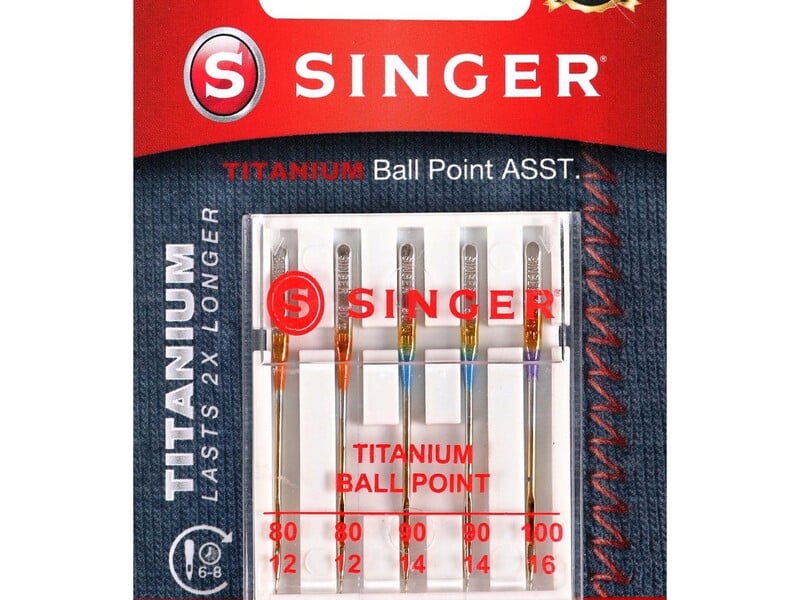
Ballpoint Needles
Rounded tip needles designed specifically for knit fabrics.
$4 - $8
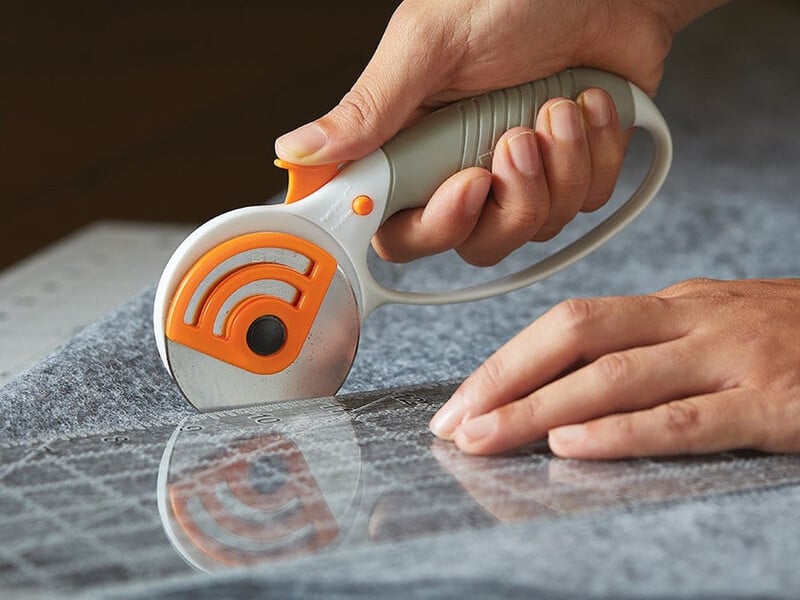
Rotary Cutter 45mm
Essential rotary cutter for precise fabric cutting.
$12 - $25
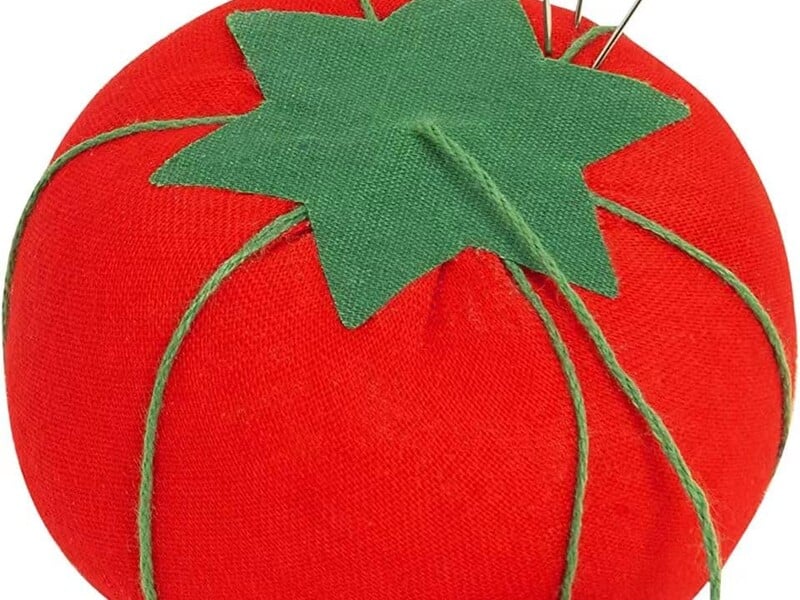
Tomato Pincushion
Classic tomato pincushion with attached strawberry emery.
$3 - $8
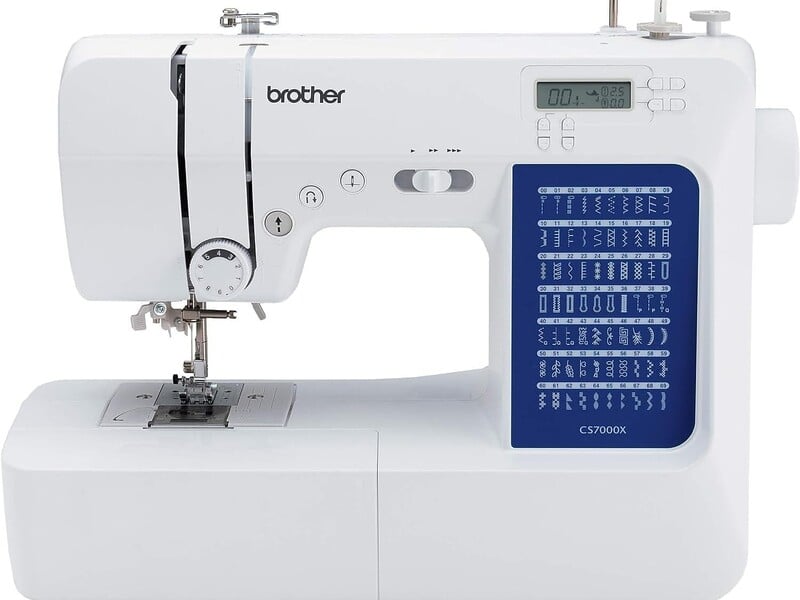
Brother CS7000X
Feature-rich computerized sewing machine ideal for beginners and intermediate sewers.
$200 - $280
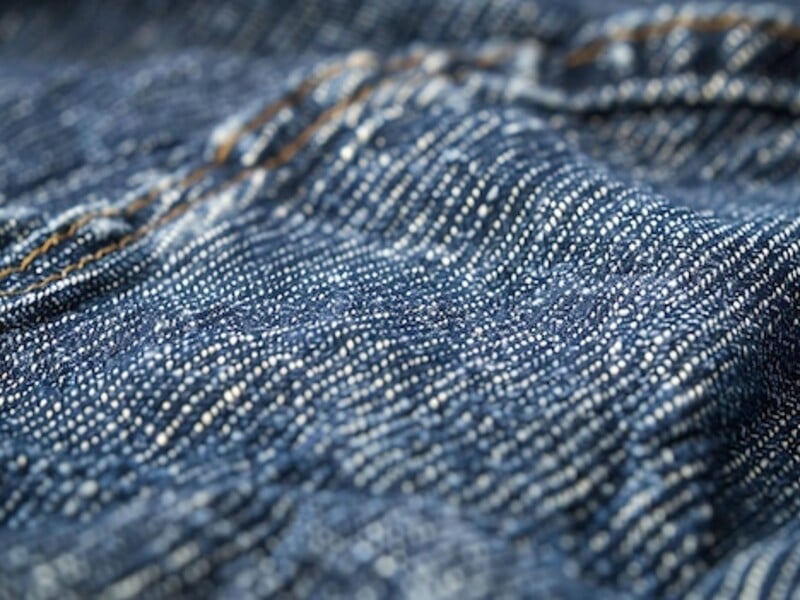
Denim Fabric
Classic cotton denim fabric in medium weight, perfect for jeans and jackets.
$12 - $25
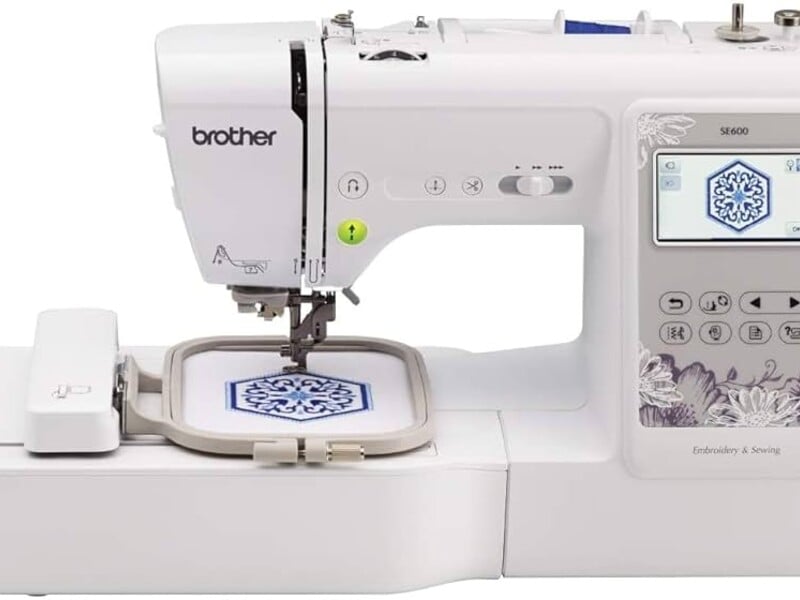
Brother SE600 Embroidery
Combination sewing and embroidery machine with 4x4 hoop.
$500 - $650
Want deeper dives?
Check out our expert-written guides for comprehensive fabric and sewing knowledge.
Found this helpful? Share it with your sewing community!