7 Tips for Sewing Thick Fabrics Without Breaking a Sweat
Struggling with heavy denim, quilting cotton, or polyester blends? These 7 expert tips will help you sew thick fabrics smoothly every time.
7 Tips for Sewing Thick Fabrics Without Breaking a Sweat
Sewing thick fabrics — whether it's sturdy denim, layered quilting cotton, or a dense polyester blend — can feel like a battle between you and your machine. Skipped stitches, broken needles, and uneven seams are all too common when sewists tackle heavier materials without the right approach.
The good news? With a few smart adjustments to your technique, tools, and machine settings, you can sew through thick fabrics confidently and cleanly. Here are seven tips that make a real difference.
---
1. Use the Right Needle — Every Single Time
This is the single most impactful change you can make. A standard universal needle simply isn't built for heavy fabrics. For denim and canvas, reach for a denim/jeans needle — these have a reinforced shaft and a sharp, tapered point designed to pierce tightly woven fibers without deflecting.
The Schmetz Denim/Jeans Needles ($5–$10 on [Amazon](https://www.amazon.com/dp/B004D34D1C?tag=smarterfabric-20)) are a go-to for sewists working with Cone Mills denim or similar heavy weaves. For most denim projects, a size 90/14 or 100/16 needle is ideal. Replace your needle every 6–8 hours of sewing time — a dull needle is the #1 cause of skipped stitches in thick fabric.
**Pro tip:** If you hear a "popping" sound as your needle enters the fabric, it's already dull. Swap it out immediately.
---
2. Slow Down at Thick Seam Intersections
When multiple seam allowances stack up — like at the crotch of jeans or the corners of a quilt block — the fabric can be 6–8 layers thick. Forcing your machine through at full speed risks breaking the needle or jamming the feed dogs.
Instead, use your machine's hand wheel to manually walk the needle through the thickest point one stitch at a time. Most modern machines, including the Brother CS7000X ($200–$280, available at [Amazon](https://www.amazon.com/dp/B08BH5GTNC?tag=smarterfabric-20) or [Brother Direct](https://www.brother-usa.com/products/cs7000x)), have a speed control slider that lets you dial back the pace without losing stitch quality. The CS7000X's 4.7/5 quality rating reflects how well it handles variable speeds — a huge asset when navigating bulky seams.
---
3. Increase Your Stitch Length
For thick fabrics, a longer stitch length (3.0–3.5mm) creates stronger seams and reduces the risk of the fabric bunching. Shorter stitches can perforate heavy material too densely, weakening the seam over time — especially in high-stress areas like pockets and waistbands.
If you're working with Cone Mills Denim Fabric ($12–$25/yard, available at [Amazon](https://www.amazon.com/dp/B0D8BWQFX3?tag=smarterfabric-20) or [Mood Fabrics](https://www.awin1.com/cread.php?awinmid=53817&awinaffid=2801410&ued=https%3A%2F%2Fwww.moodfabrics.com%2Fsearch%3Fq%3Ddenim)), aim for a 3.0–3.5mm stitch length for structural seams and 2.5mm for topstitching where you want a tighter, more decorative look.
---
4. Adjust Your Presser Foot Pressure
Many sewists overlook presser foot pressure, but it's critical for thick fabrics. Too much pressure flattens the fabric and causes drag; too little lets it slip and shift. Most mid-range and higher machines allow you to adjust this setting.
The Pfaff Passport 3.0 ($800–$950, available at [Amazon](https://www.amazon.com/s?k=pfaff+passport+3.0+sewing+machine?tag=smarterfabric-20)) earns its 4.6/5 quality rating partly because of its IDT™ (Integrated Dual Feed) system, which feeds fabric from both the top and bottom simultaneously. This is a game-changer for thick or slippery fabrics — it virtually eliminates the shifting and puckering that plagues sewists using standard feed dogs alone.
If your machine doesn't have a dual-feed system, a walking foot attachment achieves a similar effect and is worth every penny for quilting or denim projects.
---
5. Choose the Right Thread
Thread weight matters more than most beginners realize. For thick fabrics, use a heavy-duty polyester or cotton-wrapped polyester thread (size 40 or heavier). Thin all-purpose thread can snap under the tension required to sew through multiple layers.
For projects using Robert Kaufman Cotton Quilting Fabric ($8–$15/yard, available at [Amazon](https://www.amazon.com/dp/B002MR7Y8K?tag=smarterfabric-20) or [Mood Fabrics](https://www.awin1.com/cread.php?awinmid=53817&awinaffid=2801410&ued=https%3A%2F%2Fwww.moodfabrics.com%2Fsearch%3Fq%3Dcotton)), a standard 50-weight cotton thread works beautifully for piecing, but switch to a heavier thread for quilting through all three layers.
**Thread tip:** Match your thread fiber to your fabric when possible — cotton thread on cotton fabric, polyester on synthetics. This ensures consistent shrinkage and wear over time.
---
6. Don't Skip the Test Seam
Before cutting into your good fabric, always sew a test seam on a scrap of the same material — ideally with the same number of layers you'll be working with in the actual project. This lets you dial in your stitch length, tension, and presser foot pressure without risking your main fabric.
This is especially important when working with Joann Polyester Blend ($5–$12/yard, available at [Amazon](https://www.amazon.com/dp/B09M41NC1Z?tag=smarterfabric-20) or [JOANN](https://www.joann.com/search?q=polyester+fabric)), which has a 3.8/5 quality rating and can behave unpredictably at seam intersections due to its synthetic fiber content. A quick test seam saves frustration and wasted fabric.
---
7. Use Clips Instead of Pins in Thick Areas
Traditional sewing pins can distort thick fabrics and are difficult to remove quickly while sewing. Sewing clips (like Wonder Clips) grip multiple layers securely without piercing the fabric, making them ideal for denim waistbands, quilted panels, and any area where pins would create bulk or leave holes.
For very thick seam intersections, you can also use a rubber mallet to gently flatten the seam before sewing — this reduces the height difference the presser foot has to navigate and results in a much smoother stitch line.
---
Putting It All Together
Sewing thick fabrics doesn't have to be a struggle. The right needle, a longer stitch length, proper presser foot pressure, and a machine with good feed control make all the difference. Whether you're working with heavy denim, layered quilting cotton, or a dense polyester blend, these seven tips will help you produce clean, professional results.
Invest in quality materials and the right tools, and thick fabrics will quickly become one of your favorite challenges to tackle.
Happy sewing!
Products Mentioned in This Post
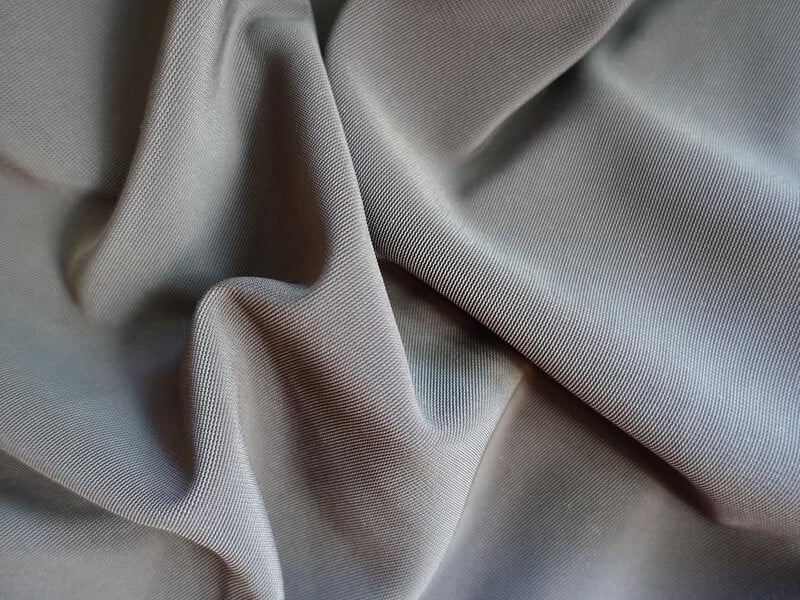
Polyester Blend
Versatile polyester blend fabric with excellent durability and easy care.
$5 - $12
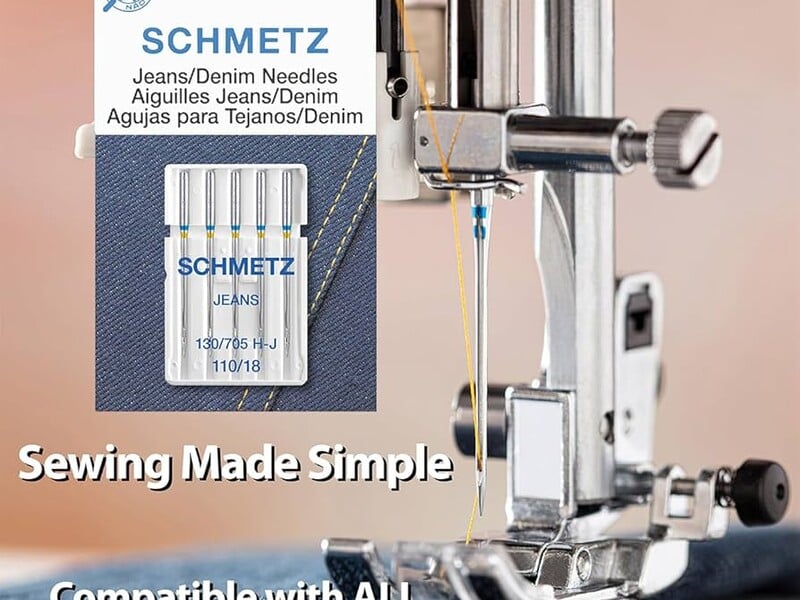
Denim/Jeans Needles
Heavy-duty needles with reinforced blade for thick fabrics.
$5 - $10
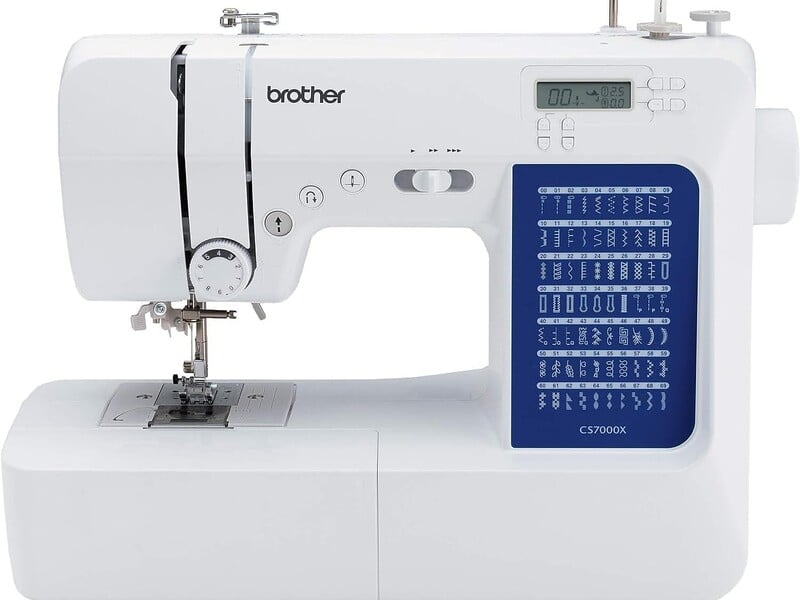
Brother CS7000X
Feature-rich computerized sewing machine ideal for beginners and intermediate sewers.
$200 - $280
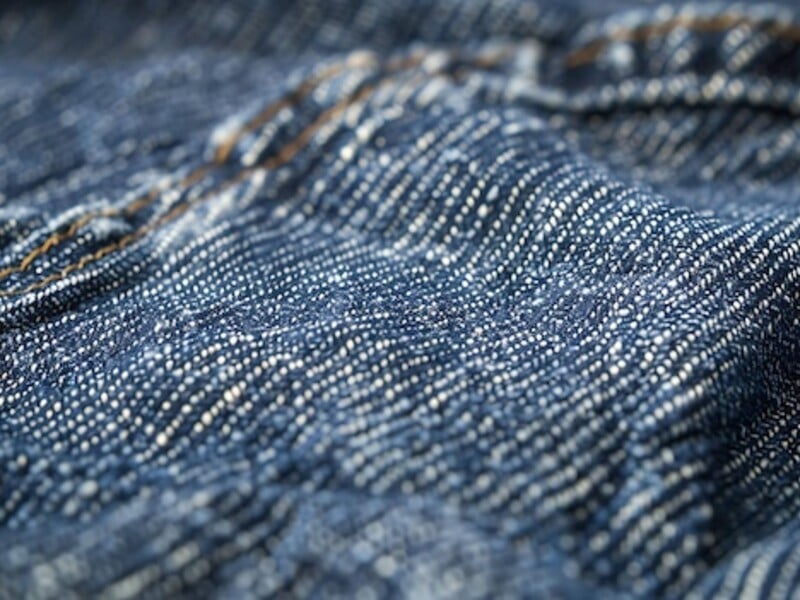
Denim Fabric
Classic cotton denim fabric in medium weight, perfect for jeans and jackets.
$12 - $25
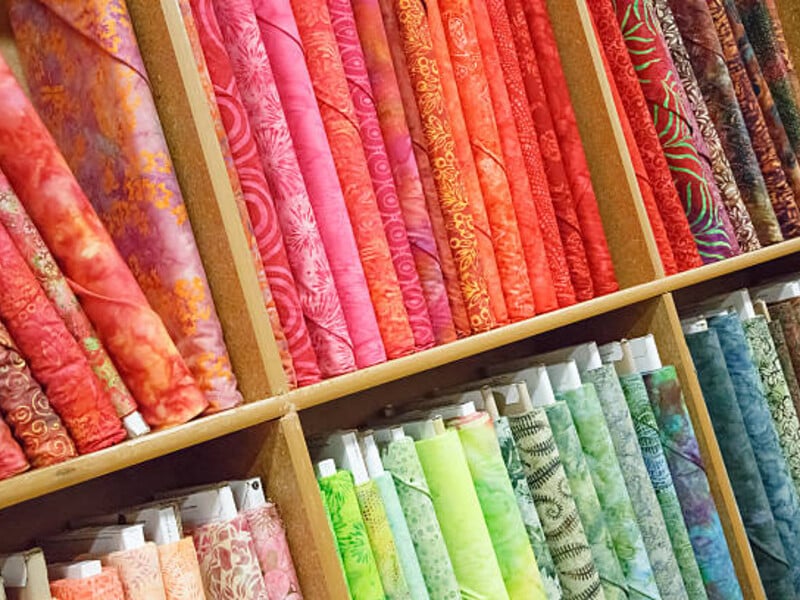
Cotton Quilting Fabric
Premium 100% cotton fabric perfect for quilting, crafts, and general sewing projects.
$8 - $15
Want deeper dives?
Check out our expert-written guides for comprehensive fabric and sewing knowledge.
Found this helpful? Share it with your sewing community!