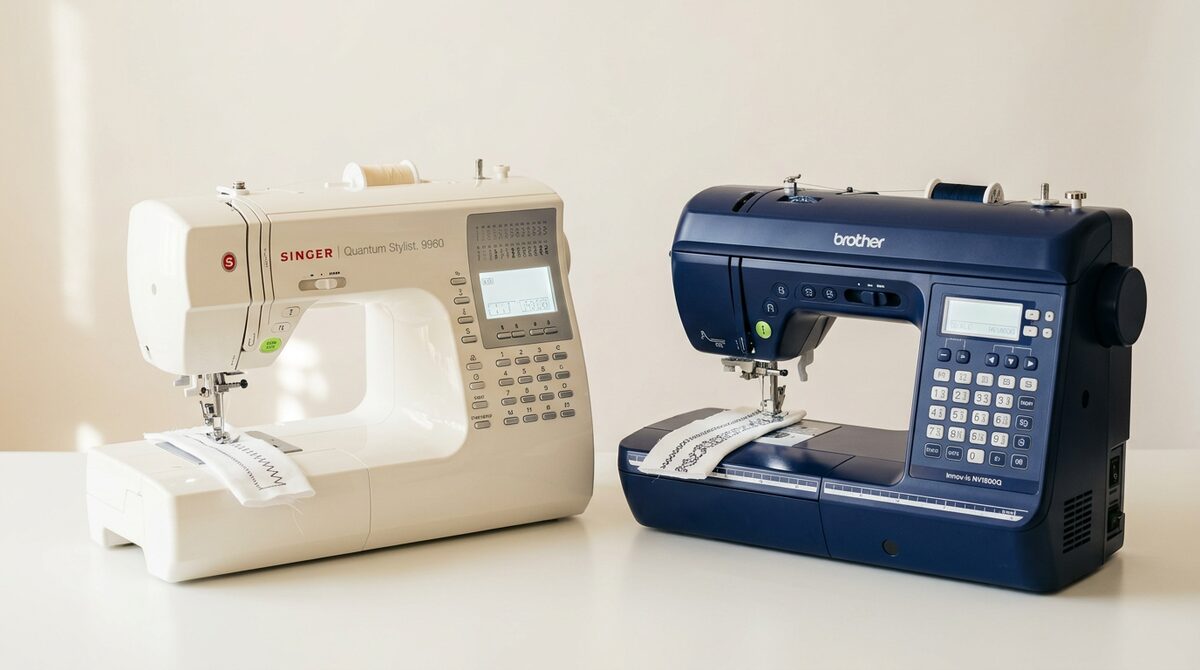
Canvas vs. Velvet: Which Fabric Is Right for You?
Canvas and velvet couldn't be more different—discover which fabric suits your next project, skill level, and budget.
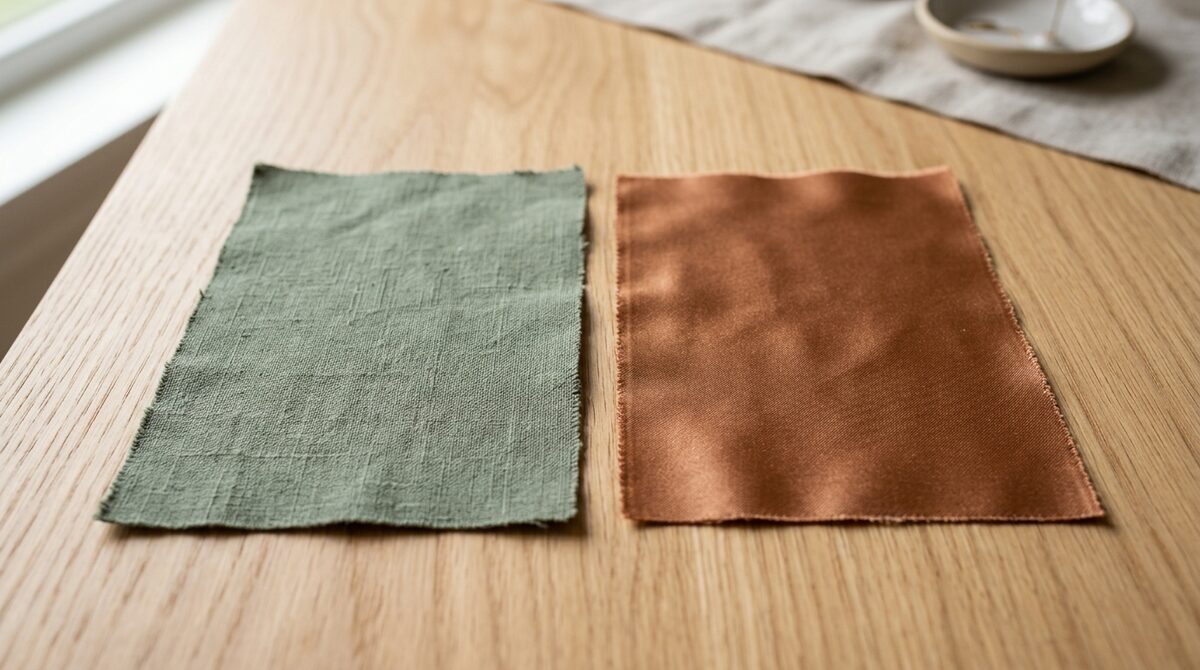
Canvas vs. Velvet: Which Fabric Is Right for You?
Choosing the right fabric can make or break a sewing project. Two fabrics that often come up in conversation—yet couldn't be more different—are canvas and velvet. One is rugged and workhorse-tough; the other is luxurious and delicate. In this comparison, we break down everything you need to know so you can pick the right material for your next creation.
---
At a Glance
| Feature | Canvas Fabric | Velvet Fabric |
|---|---|---|
| Price Range | $10–$20/yd | $15–$40/yd |
| Quality Rating | 4.6 / 5 | 4.5 / 5 |
| Durability Score | 95 / 100 | 70 / 100 |
| Skill Level | Intermediate | Advanced |
| Best For | Bags, upholstery, outdoor gear | Garments, home décor, evening wear |
---
Canvas Fabric: The Dependable Workhorse
Canvas is a heavy-duty woven fabric, most commonly made from cotton or a cotton-polyester blend. Duck Cloth canvas—one of the most popular varieties—is tightly woven, making it exceptionally stiff and resistant to wear and tear.
Why Sewers Love Canvas
**Pro tip:** Pre-wash canvas before cutting to prevent shrinkage. A hot wash and tumble dry will also soften the fabric slightly, making it easier to sew.
Canvas Sewing Tips
Canvas is available at [Amazon](https://www.amazon.com/dp/B00H7JTS8W?tag=smarterfabric-20) and [Mood Fabrics](https://www.awin1.com/cread.php?awinmid=53817&awinaffid=2801410&ued=https%3A%2F%2Fwww.moodfabrics.com%2Fsearch%3Fq%3Dcanvas).
---
Velvet Fabric: The Luxurious Showstopper
Velvet is a cut-pile fabric with a distinctive soft, plush surface and rich color depth. Mood Fabrics' crushed velvet is a favorite among garment sewers and home décor enthusiasts alike.
Why Sewers Love Velvet
**Keep in mind:** Velvet has a nap—a directional pile—that must be cut consistently in one direction. Cutting against the nap creates visible color differences in the finished piece.
Velvet Sewing Tips
Velvet is available at [Mood Fabrics](https://www.awin1.com/cread.php?awinmid=53817&awinaffid=2801410&ued=https%3A%2F%2Fwww.moodfabrics.com%2Fsearch%3Fq%3Dvelvet) and [Amazon](https://www.amazon.com/dp/B07D5JN72M?tag=smarterfabric-20).
---
Head-to-Head: Which Should You Choose?
Choose Canvas If You…
Choose Velvet If You…
---
Can You Use Both Together?
Absolutely! Canvas and velvet can be combined for striking contrast projects. Imagine a structured canvas tote with velvet handles, or a canvas-backed velvet patchwork quilt. The key is to interface the canvas sections to reduce bulk at seams where the two fabrics meet.
---
Final Verdict
Both canvas and velvet are exceptional fabrics—they just serve very different purposes. Canvas wins on durability, affordability, and ease of sewing, making it ideal for functional, everyday projects. Velvet wins on beauty and luxury, rewarding patient, experienced sewers with stunning results.
Whatever you choose, invest in quality notions: the right needles and thread make a measurable difference in your finished seams. Happy sewing!
Products Mentioned in This Post
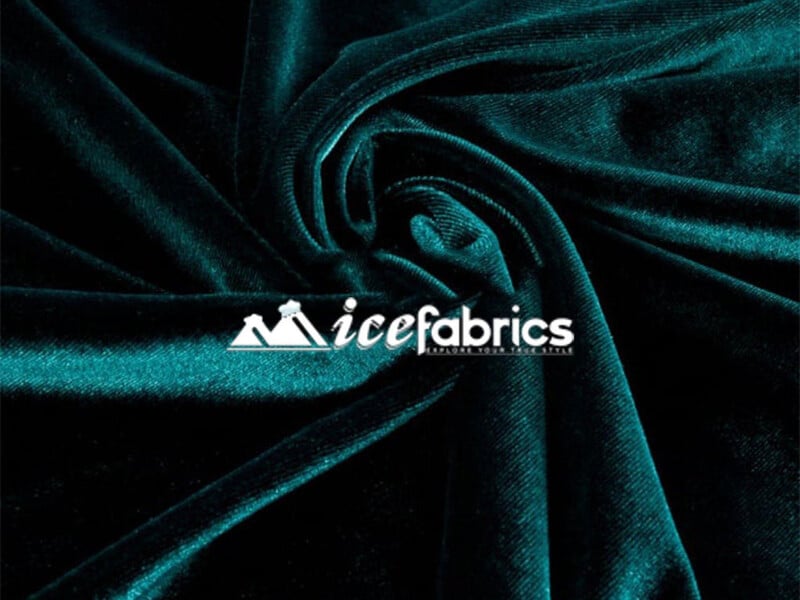
Velvet Fabric
Luxurious crushed velvet with rich color depth and soft hand feel.
$15 - $40
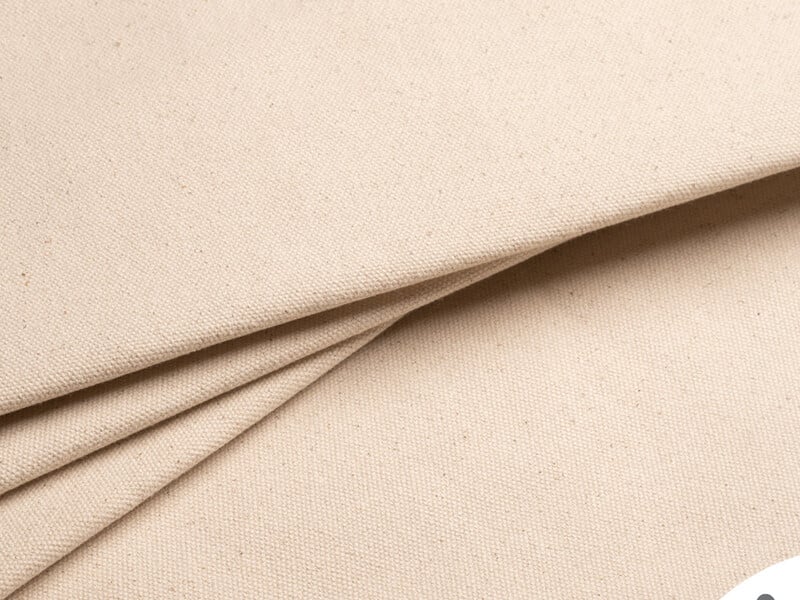
Canvas Fabric
Heavy-duty cotton canvas for bags, upholstery, and outdoor projects.
$10 - $20
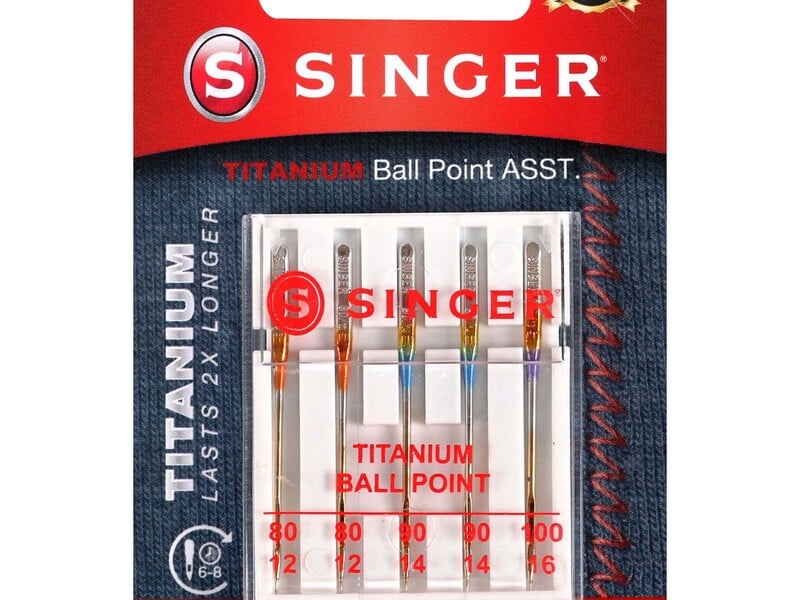
Ballpoint Needles
Rounded tip needles designed specifically for knit fabrics.
$4 - $8
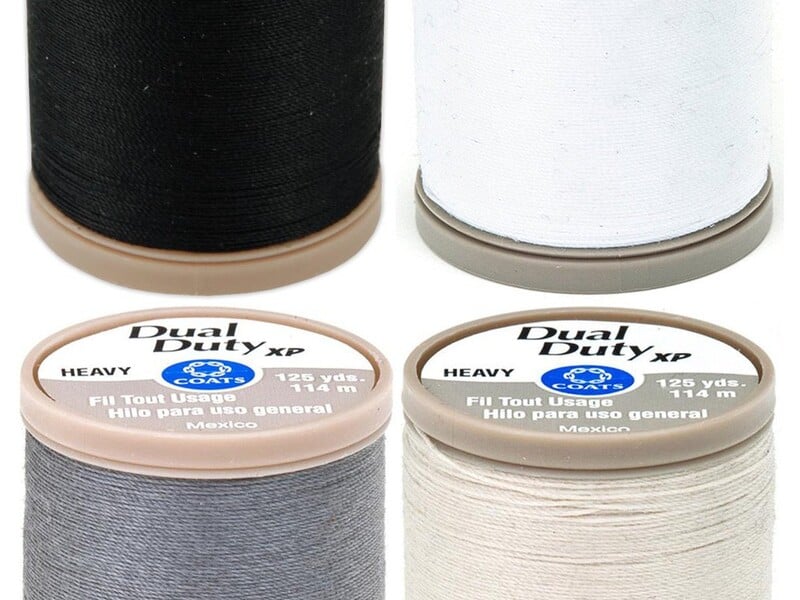
Coats & Clark Dual Duty
Reliable cotton-wrapped polyester thread for everyday sewing.
$2 - $5
Want deeper dives?
Check out our expert-written guides for comprehensive fabric and sewing knowledge.
Found this helpful? Share it with your sewing community!