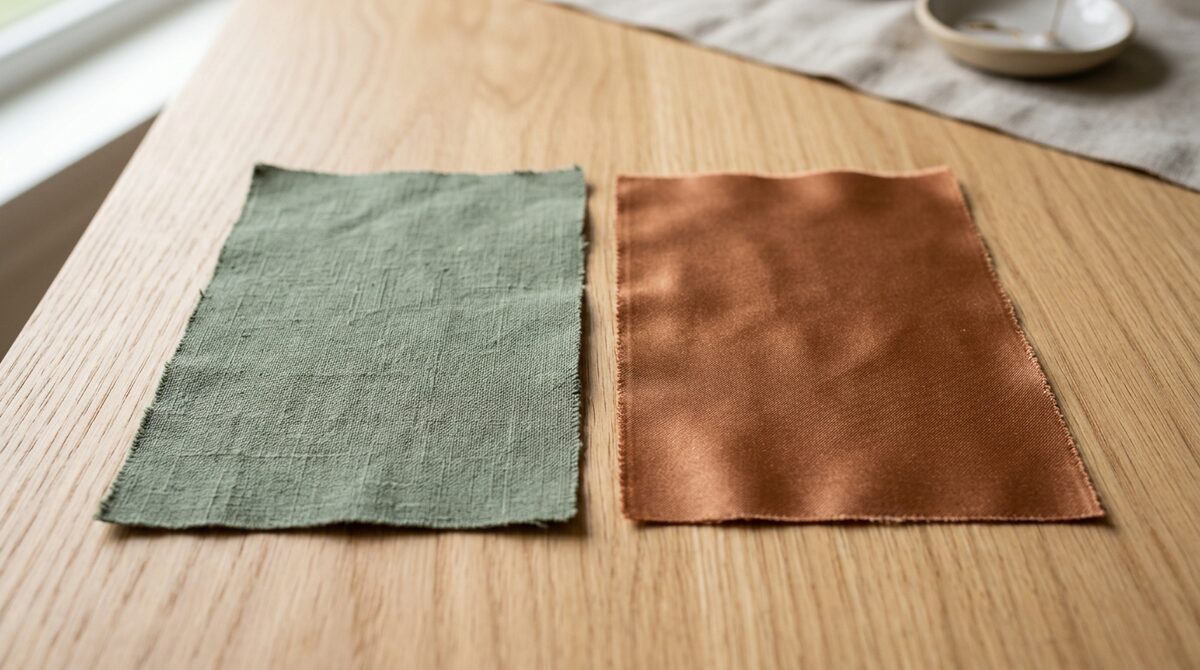
Cotton vs Linen for Summer Sewing: Which Keeps You Cooler?
Both cotton and linen are natural fibers perfect for warm weather, but they behave very differently on the sewing table and on your body. Here's our detailed comparison.
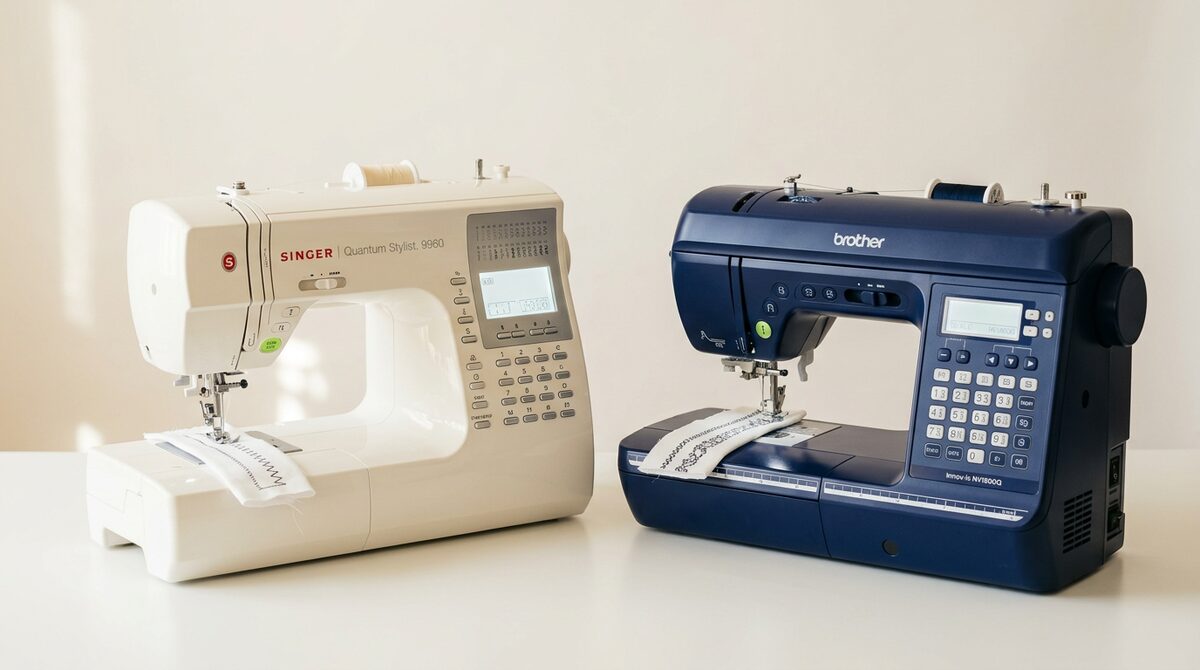
The Great Summer Fabric Debate
When summer approaches, every sewer faces the same question: cotton or linen? Both are natural, breathable fibers — but they have distinct personalities that affect everything from how they sew to how they feel in 35°C heat.
Breathability & Comfort
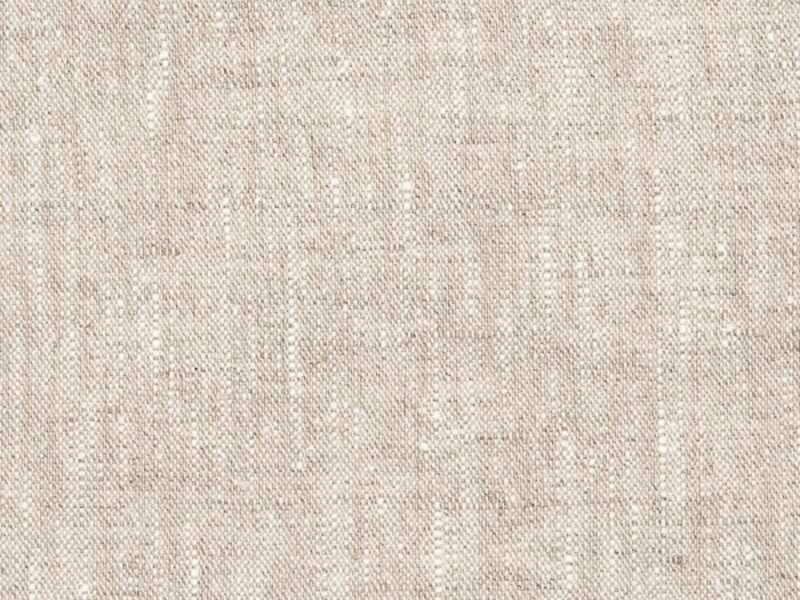
Linen wins the breathability contest. Its fibers are hollow, allowing air to circulate freely. Linen can absorb up to 20% of its weight in moisture before feeling damp, compared to cotton's 7%. In practice, this means linen keeps you noticeably cooler on the hottest days.
Cotton, while still breathable, tends to cling more when wet and takes longer to dry. However, cotton jersey and lawn are excellent lightweight options that come close to linen's performance.
Ease of Sewing
This is where cotton takes the lead. Cotton is forgiving — it holds a crease well, doesn't fray as aggressively, and is much easier to press. For beginners, cotton is the safer choice.
Linen frays like crazy. You'll need to French seam or overlock every edge. It's also less predictable with pressing — it wrinkles as a feature, not a bug — but that "relaxed" look isn't for every project.
Cost Comparison
**Pro tip**: If you love linen's look but not the price or difficulty, try a linen-cotton blend. You get 70% of the breathability benefits with much easier sewing.
Our Verdict
For everyday summer clothes like t-shirts and casual dresses: cotton (specifically cotton lawn or voile).
For elevated summer pieces like wide-leg pants and breezy shirts: linen or linen-cotton blend.
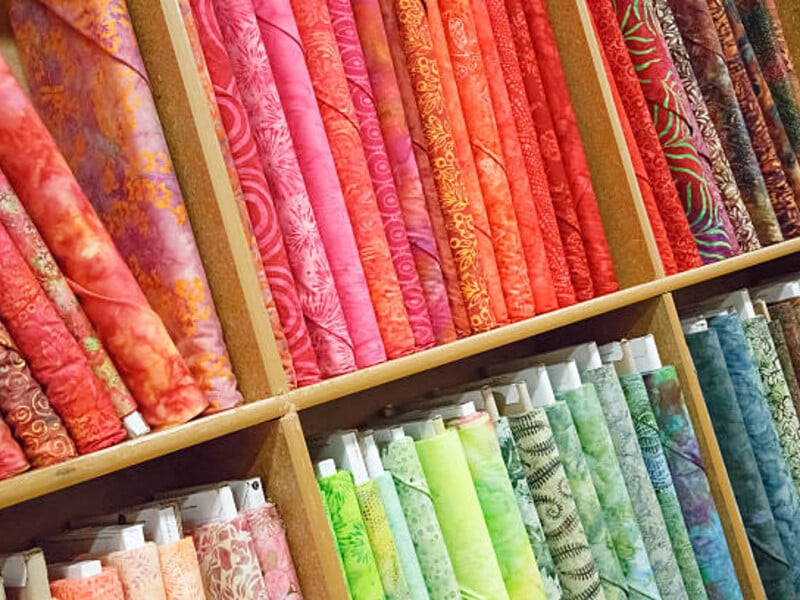
For quilts and home decor: always cotton.
Where to Buy
Check our catalog for detailed comparisons of specific cotton and linen fabrics, with prices from multiple retailers.
Products Mentioned in This Post
Want deeper dives?
Check out our expert-written guides for comprehensive fabric and sewing knowledge.
Found this helpful? Share it with your sewing community!