How to Choose the Right Fabric for Your First Sewing Project
Learn which fabrics are beginner-friendly and which to avoid. Step-by-step guidance to match fabric type with your first project for guaranteed success.
Why Your Fabric Choice Makes or Breaks Your First Project
Choosing the wrong fabric for your first sewing project is the fastest way to feel frustrated and discouraged. I've seen countless beginners attempt a simple tote bag with slippery satin or try pajama pants with unforgiving linen—and end up abandoning sewing altogether.
The truth? Your fabric choice matters more than your sewing skills when you're just starting out. Pick a forgiving, beginner-friendly fabric, and you'll build confidence with every stitch. This guide will walk you through exactly how to choose fabric that sets you up for success.
Step 1: Start with These Three Beginner-Friendly Fabric Types
Not all fabrics are created equal when you're learning to sew. These three categories are the most forgiving for beginners:
Cotton Quilting Cotton
The gold standard for first projects. It doesn't stretch, fray minimally, and feeds through your machine smoothly. Perfect for tote bags, pillowcases, and simple garments.
Medium-Weight Canvas
Slightly sturdier than quilting cotton, [Canvas Fabric](https://smarterfabric.com/products/canvas-fabric) ($10-$20 from Duck Cloth) is excellent for structured projects like bags, aprons, and placemats. It's thick enough to hide beginner mistakes but still easy to work with on any basic machine like the [Singer Heavy Duty 4423](https://smarterfabric.com/products/singer-heavy-duty-4423) ($180-$250).
Fleece
If you're making something cozy, [Fleece Fabric](https://smarterfabric.com/products/fleece-fabric) ($8-$16 from Joann) is incredibly forgiving. It doesn't fray, doesn't require finishing, and hides uneven stitches beautifully. Ideal for blankets, scarves, and simple throws.
**Pro Tip:** Stay away from directional prints for your first project. Non-directional patterns (dots, abstract designs, small florals) are much easier to cut and match than stripes or large motifs.
Step 2: Match Fabric Weight to Your Project Type
Understanding fabric weight prevents the common mistake of choosing material that's too difficult to manipulate.
Lightweight Fabrics (Avoid as a Beginner)
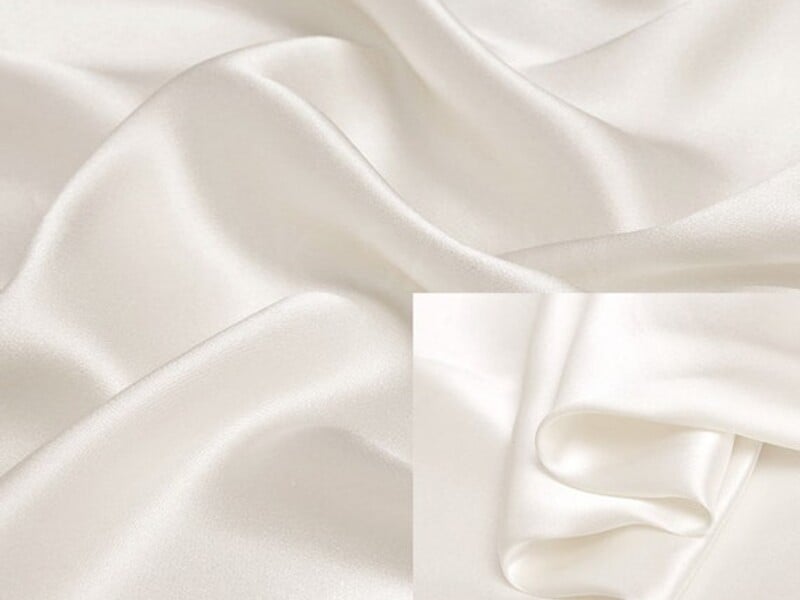
Fabrics like [Silk Charmeuse](https://smarterfabric.com/products/silk-charmeuse) ($25-$50 from Mood Fabrics) and [Satin Fabric](https://smarterfabric.com/products/satin-fabric) ($10-$30 from Mood Fabrics) are slippery, shift while cutting, and require advanced techniques. Save these for when you've completed 5-10 projects.
Medium-Weight Fabrics (Perfect for Beginners)
This is your sweet spot. Medium-weight cottons, canvas, and [Polyester Blend](https://smarterfabric.com/products/polyester-blend) ($5-$12 from Joann) fabrics are stable, easy to cut accurately, and sew predictably. They work on any basic machine and don't require special needles or settings.
Heavyweight Fabrics (Approach with Caution)
[Wool Flannel](https://smarterfabric.com/products/wool-flannel) ($30-$60 from Pendleton) and thick [Velvet Fabric](https://smarterfabric.com/products/velvet-fabric) ($15-$40 from Mood Fabrics) can be challenging. Velvet requires special handling to avoid crushing the pile, and heavy wool may overwhelm a basic machine.
Step 3: Understand Woven vs. Knit (And Why It Matters)
This is where many beginners get confused, but the distinction is crucial.
Woven Fabrics = Beginner-Friendly
Woven fabrics (cotton, canvas, linen) don't stretch and behave predictably. They're stable when you cut them and stay where you pin them. Start here for your first 3-5 projects.
Knit Fabrics = Intermediate Territory
[Jersey Knit](https://smarterfabric.com/products/jersey-knit) ($8-$18 from Cotton + Steel) stretches, which makes it comfortable to wear but tricky to sew. Knits require a ballpoint needle, stretch stitches, and often a walking foot. Even on a quality machine like the [Janome HD3000](https://smarterfabric.com/products/janome-hd3000) ($380-$450), knits take practice to master.
**Pro Tip:** If you're dying to sew with knits, start with a stable knit like ponte or scuba knit rather than stretchy jersey. They're more forgiving while you learn.
Step 4: Consider Care Requirements Before You Buy
Your first project should be practical and usable, which means thinking about care.
Machine Washable = Less Stress
Cotton, polyester blends, and fleece can all go straight in the washing machine. This makes them perfect for items you'll actually use—kitchen towels, tote bags, pajamas, or quilts.
Special Care = Added Complexity
[Linen Fabric](https://smarterfabric.com/products/linen-fabric) ($15-$35 from IL019) wrinkles easily and often requires ironing. Silk must be hand-washed or dry-cleaned. Wool can shrink. These care requirements add stress to your learning process.
Step 5: Set a Realistic Budget for Your First Fabric Purchase
You don't need expensive fabric to create a successful first project. In fact, budget-friendly options often work better.
Buy 2-3 Yards Maximum
Most beginner projects (pillowcases, simple bags, scarves) need less than 2 yards. Don't invest in 5+ yards of any fabric until you've tested your pattern.
Stick to $5-$15 Per Yard
Polyester blends, cotton prints, and fleece in this price range are perfect for learning. Save the $30-$50 per yard fabrics like silk charmeuse or wool flannel for when mistakes feel less devastating.
Shop Remnant Bins
Fabric stores often sell end-of-bolt pieces at steep discounts. A 1.5-yard remnant is often perfect for a first project and costs half the price.
**Pro Tip:** Pre-wash your fabric before cutting. Many fabrics shrink on the first wash, and you want to discover this before you've sewn your project, not after.
The Best First Project Fabric Combinations
Here are three tried-and-true combinations that set beginners up for success:
For a Tote Bag: Medium-weight canvas ($10-$20) pairs perfectly with a basic machine. The structure hides wobbly seams, and you'll use it constantly.
For a Pillowcase: Cotton quilting fabric (under $12/yard) in a fun print. Simple straight seams and immediate gratification.
For a Cozy Blanket: Fleece ($8-$16) requires minimal sewing and no hemming. You can complete a throw blanket in under two hours.
Your Action Plan: What to Do Right Now
1. Choose your first project type (bag, pillowcase, or blanket)
2. Buy 2 yards of the recommended fabric for that project type
3. Pre-wash and iron your fabric before cutting
4. Use a simple pattern designed specifically for beginners
5. Keep your receipt in case the fabric proves more challenging than expected
Remember: every experienced sewist started exactly where you are now. The difference between those who stick with sewing and those who quit often comes down to choosing the right fabric for that crucial first project. Start with cotton, canvas, or fleece, and save the silks and velvets for when you're ready to level up. You've got this!
Products Mentioned in This Post
Silk Charmeuse
Luxurious silk charmeuse with beautiful drape and lustrous finish.
$25 - $50
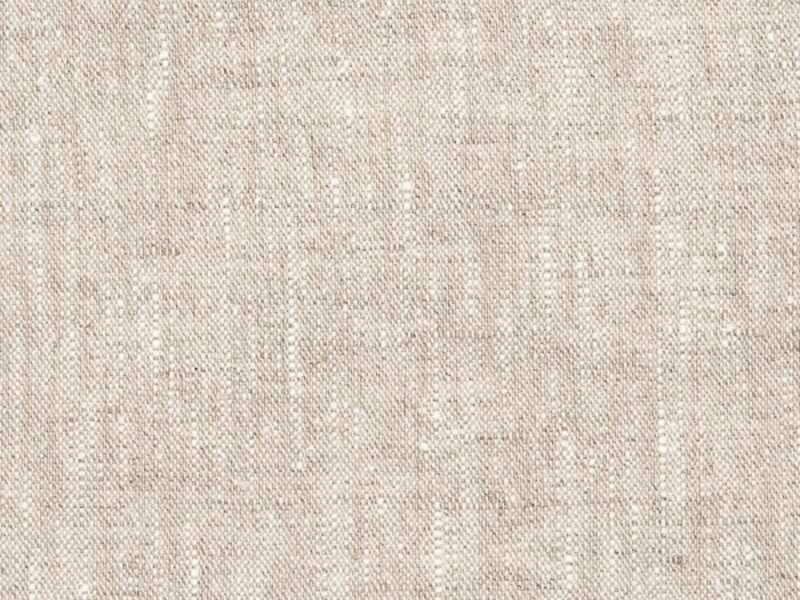
Linen Fabric
Natural linen fabric with beautiful texture, ideal for summer garments.
$15 - $35
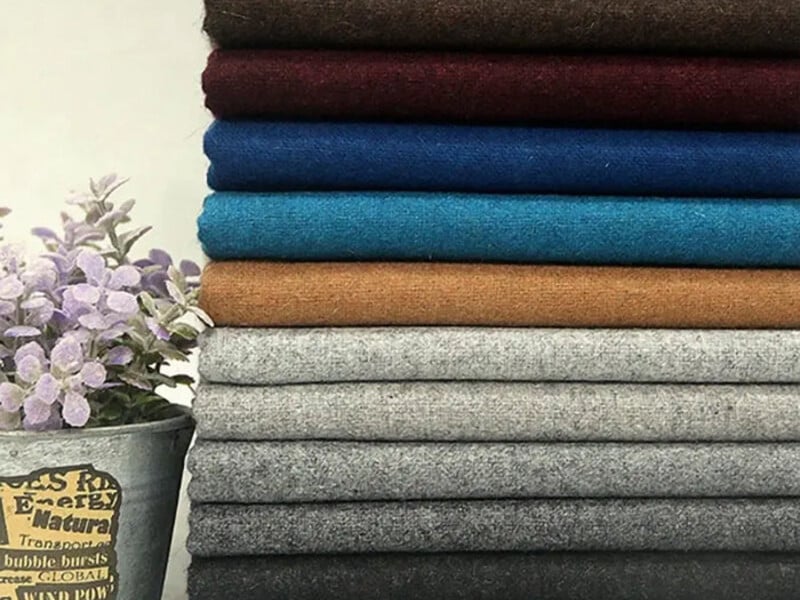
Wool Flannel
Soft wool flannel fabric with brushed finish, perfect for winter garments.
$30 - $60
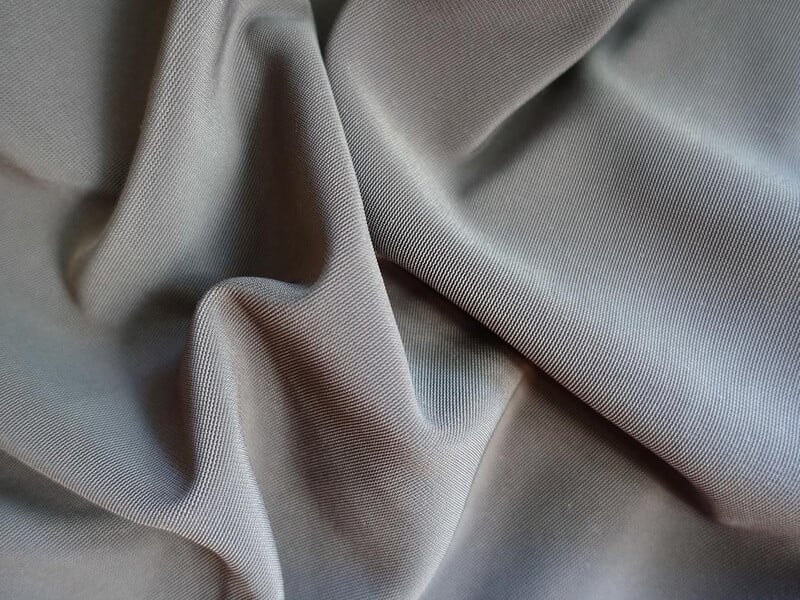
Polyester Blend
Versatile polyester blend fabric with excellent durability and easy care.
$5 - $12
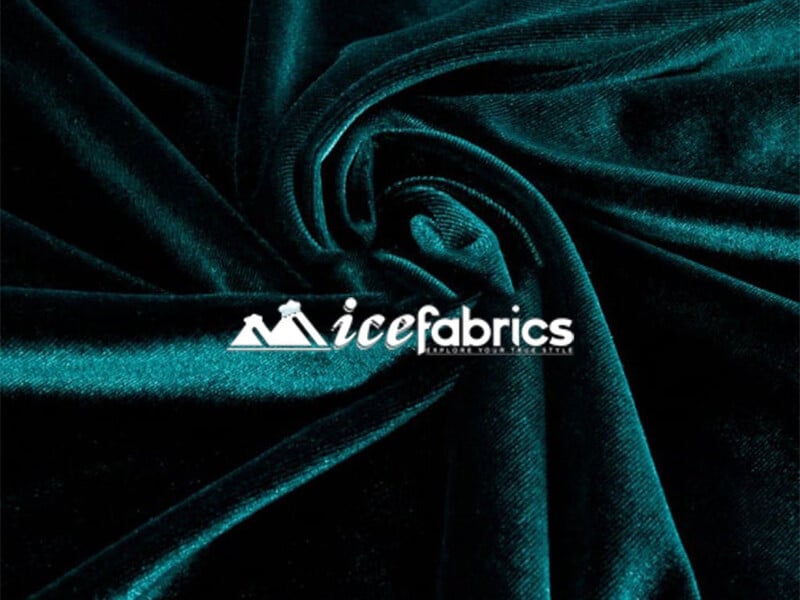
Velvet Fabric
Luxurious crushed velvet with rich color depth and soft hand feel.
$15 - $40
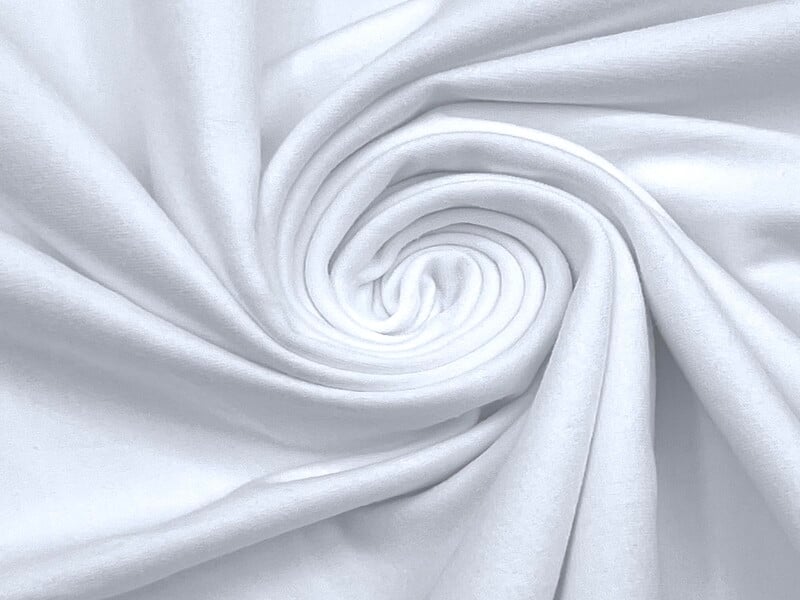
Jersey Knit
Soft and stretchy cotton jersey, perfect for comfortable everyday wear.
$8 - $18
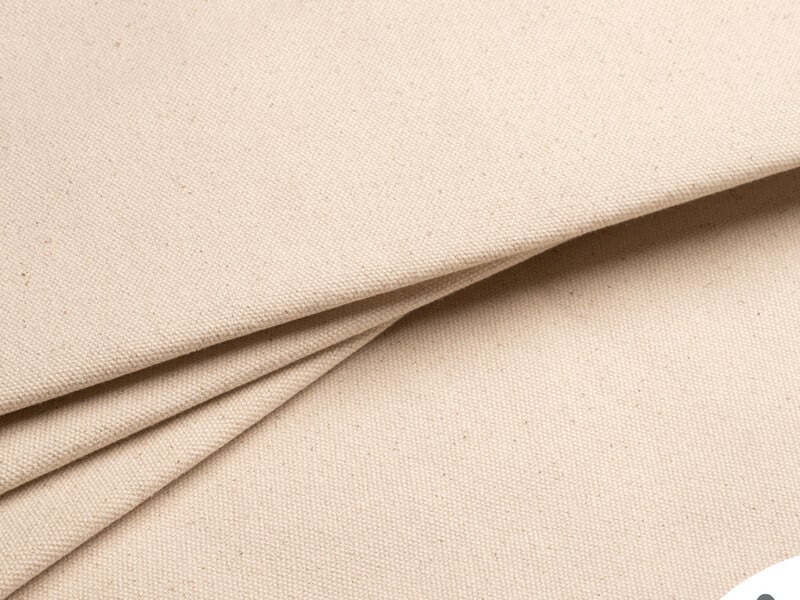
Canvas Fabric
Heavy-duty cotton canvas for bags, upholstery, and outdoor projects.
$10 - $20
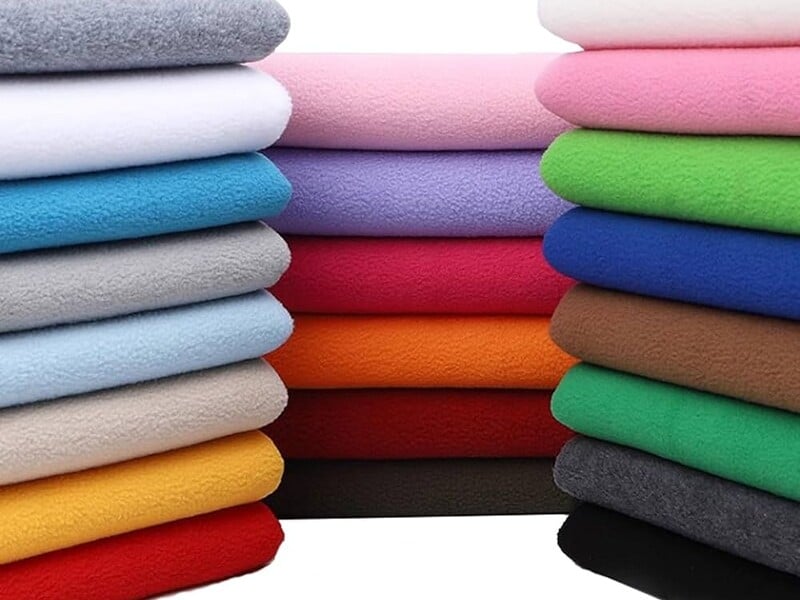
Fleece Fabric
Soft anti-pill fleece for cozy blankets, jackets, and accessories.
$8 - $16
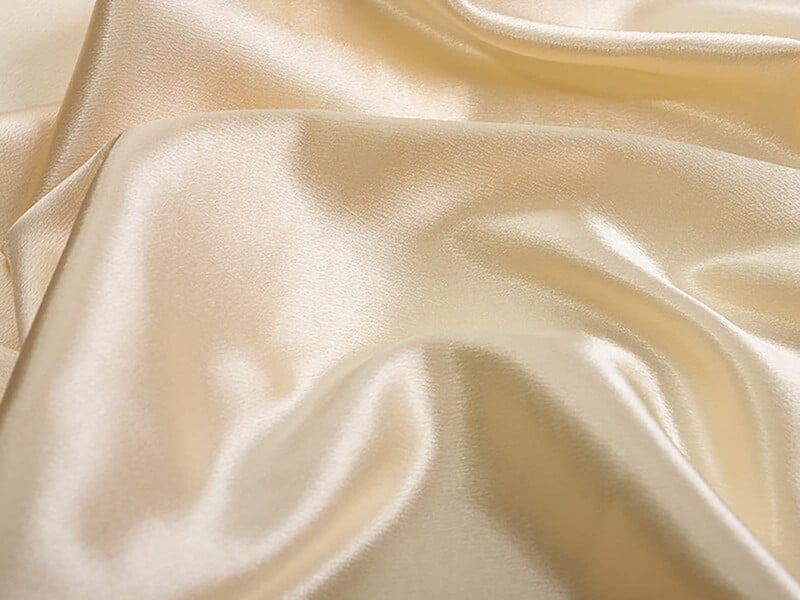
Satin Fabric
Glossy satin fabric with smooth finish for formal and bridal wear.
$10 - $30
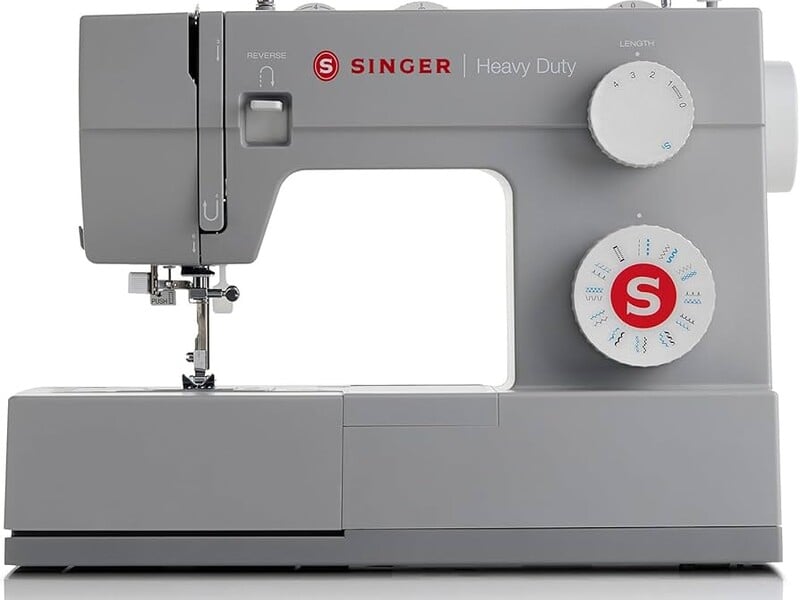
Singer Heavy Duty 4423
Powerful heavy-duty machine built to handle thick fabrics with ease.
$180 - $250
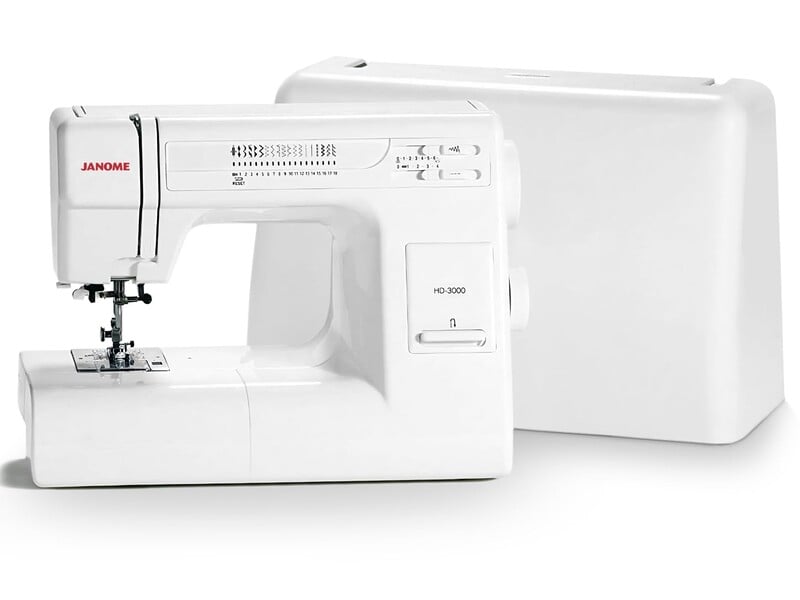
Janome HD3000
Professional-grade heavy-duty machine with aluminum body.
$380 - $450
Want deeper dives?
Check out our expert-written guides for comprehensive fabric and sewing knowledge.
Found this helpful? Share it with your sewing community!