Thread Secrets: 8 Tips for Perfect Stitches Every Time
Upgrade your sewing results with these expert thread and needle tips that eliminate skipped stitches, tangles, and tension headaches.
Thread Secrets: 8 Tips for Perfect Stitches Every Time
Nothing derails a sewing project faster than skipped stitches, thread tangles, or tension that refuses to cooperate. The good news? Most of these problems trace back to a handful of easy-to-fix habits. Whether you're stitching on a Singer Quantum Stylist 9960 or a Pfaff Passport 3.0, these eight tips will help you get flawless results on every seam.
---
1. Match Your Needle to Your Fabric
The single biggest cause of skipped stitches is using the wrong needle. Schmetz Universal Sewing Needles ($4–$8) are the go-to choice for most woven and knit fabrics — they earn a quality rating of 4.5/5 for good reason. Swap to a fresh needle every 8–10 hours of sewing time; a dull tip drags fibers instead of piercing cleanly.
**Pro tip:** Hold a used needle up to the light. If the tip looks even slightly hooked or flat, replace it immediately.
Available at [Amazon](https://www.amazon.com/dp/B00AQ6P4V8?tag=smarterfabric-20)
---
2. Choose Thread Quality Over Price
Budget thread sheds lint, breaks mid-seam, and clogs your tension discs. Invest in Gütermann Polyester Thread ($3–$6) — rated an impressive 4.8/5 with a 90% durability score. Its tightly twisted construction glides through guides without fraying, making it ideal for both machine and hand sewing.
For quilters, Aurifil 50wt Cotton Thread ($12–$18) is the gold standard. With a 4.9/5 quality rating and 85% durability, it produces fine, flat seams that don't add bulk to quilt layers.
Available at [Amazon – Gütermann](https://www.amazon.com/dp/B07CWCNQMC?tag=smarterfabric-20) | [Amazon – Aurifil](https://www.amazon.com/dp/B004Y0ZD9K?tag=smarterfabric-20)
---
3. Always Thread with the Presser Foot Up
Raising the presser foot opens the tension discs so thread seats properly between them. Threading with the foot down is one of the most common beginner mistakes — the thread bypasses the discs entirely, causing loose, loopy stitches on the underside.
---
4. Use the Right Machine for the Job
Your machine's capabilities matter. The Singer Quantum Stylist 9960 ($350–$450) offers 600 built-in stitches and automatic tension adjustment, making it forgiving for intermediate sewists experimenting with different fabrics. If portability is a priority, the Pfaff Passport 3.0 ($800–$950) packs an IDT (Integrated Dual Feed) system into a compact frame — that built-in walking foot is a game-changer for feeding multiple layers evenly.
**IDT tip:** Pfaff's IDT system grips fabric from both above and below simultaneously, virtually eliminating fabric shift on slippery materials like satin or chiffon.
Available at [Amazon – Singer 9960](https://www.amazon.com/dp/B004RDH7Y8?tag=smarterfabric-20) | [Singer Direct](https://www.singer.com/quantum-stylist-9960-sewing-machine) | [Amazon – Pfaff Passport 3.0](https://www.amazon.com/s?k=pfaff+passport+3.0+sewing+machine?tag=smarterfabric-20)
---
5. Keep Thread Tension Balanced
Perfect tension means the knot forms exactly in the middle of the fabric layers — invisible from both sides. Test on a scrap of your actual project fabric before sewing. If you see loops on the bottom, the top tension is too loose (increase the number). Loops on top mean top tension is too tight (decrease it).
---
6. Don't Pull Fabric — Guide It
Letting the feed dogs do the work prevents bent needles and uneven stitches. Pulling fabric forward stretches knit fabrics and can snap a needle mid-stitch. Use a light guiding touch on both sides of the presser foot.
---
7. Keep a Seam Ripper Within Reach
Mistakes happen to every sewist. A quality Dritz Seam Ripper ($3–$10) with a sharp blade makes quick work of removing stitches without damaging fabric. Slide the point under a stitch every 3–4 stitches on one side, then pull the thread from the opposite side — it comes out in one clean sweep.
**Seam ripper hack:** Use the small red ball at the tip to protect delicate fabrics while sliding under stitches.
Available at [Amazon](https://www.amazon.com/dp/B0001DSIVY?tag=smarterfabric-20)
---
8. Store Thread Properly
UV light and humidity degrade thread over time, causing it to break unexpectedly. Store spools in a closed box or drawer away from direct sunlight. Older thread that snaps when you tug it firmly should be discarded — no amount of tension adjustment will compensate for weakened fibers.
---
Quick Reference Checklist
Apply these habits consistently and you'll spend less time troubleshooting and more time creating. Happy sewing!
Products Mentioned in This Post
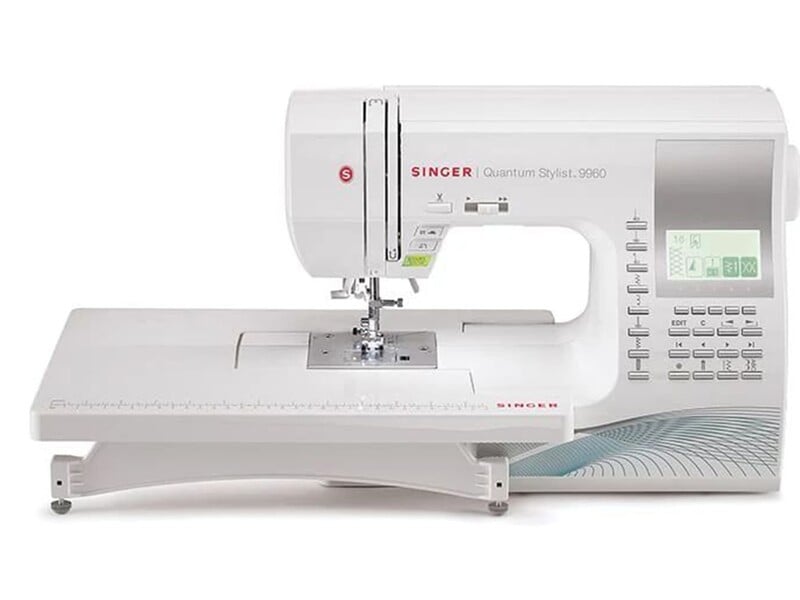
Singer Quantum Stylist 9960
Feature-packed computerized machine with 600 built-in stitches.
$350 - $450
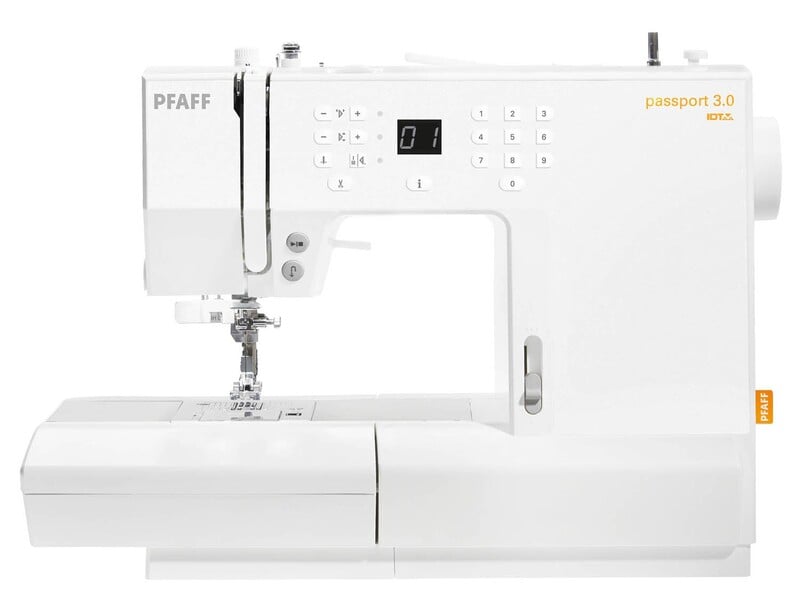
Pfaff Passport 3.0
Compact and portable computerized machine with IDT system.
$800 - $950
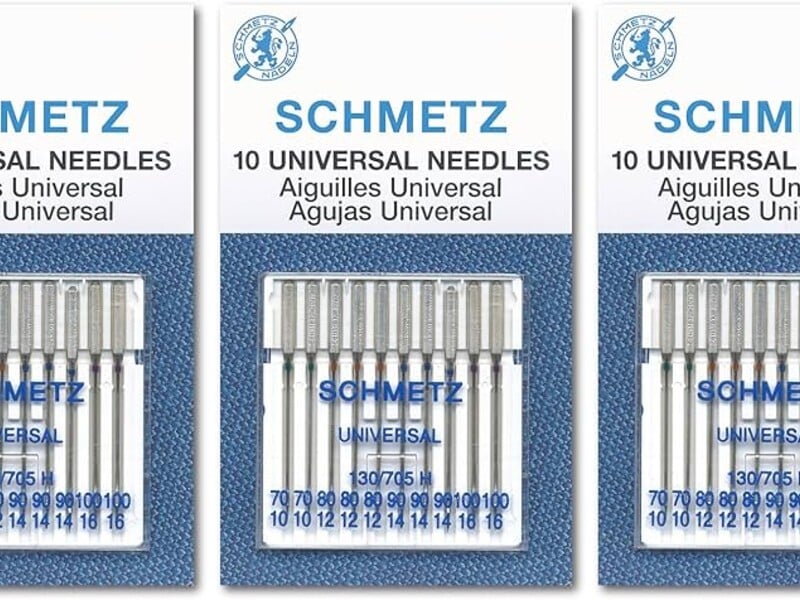
Universal Sewing Needles
Versatile needles suitable for most woven and knit fabrics.
$4 - $8
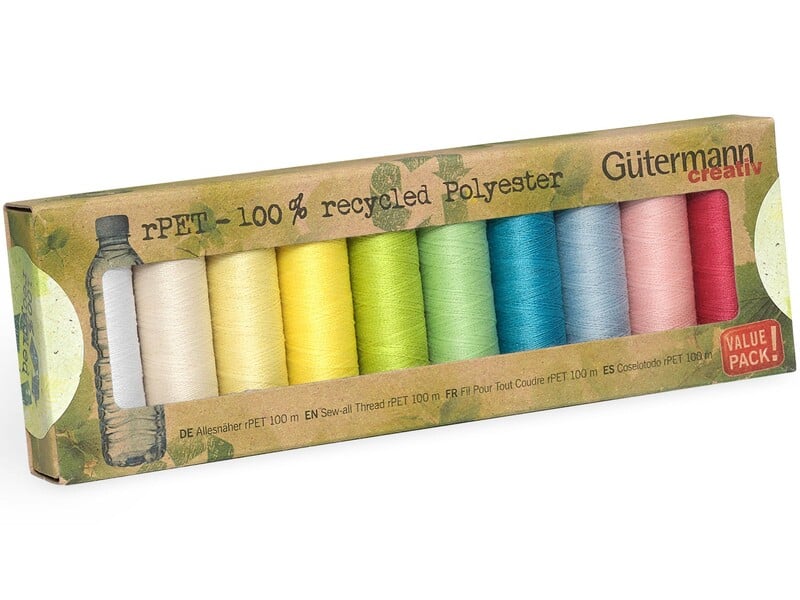
Gütermann Polyester Thread
Premium all-purpose polyester thread for machine and hand sewing.
$3 - $6
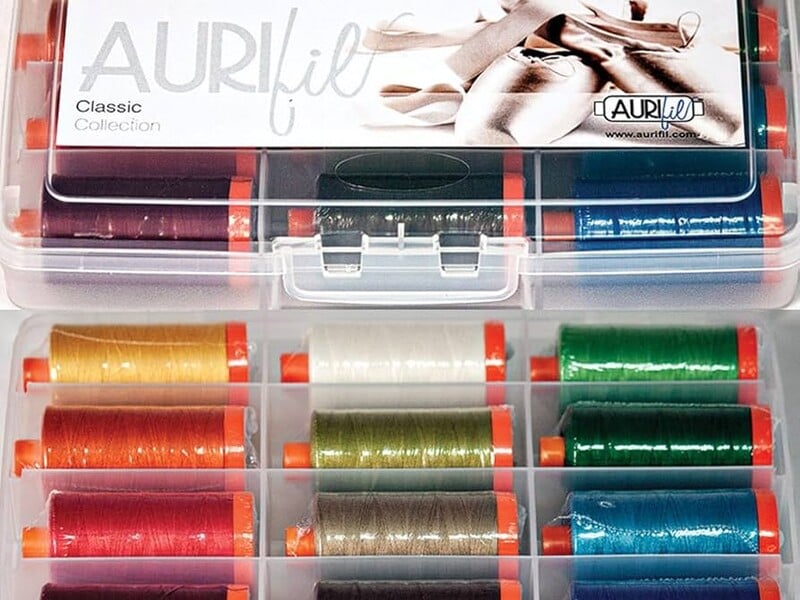
Aurifil 50wt Cotton Thread
Premium cotton thread favored by quilters worldwide.
$12 - $18
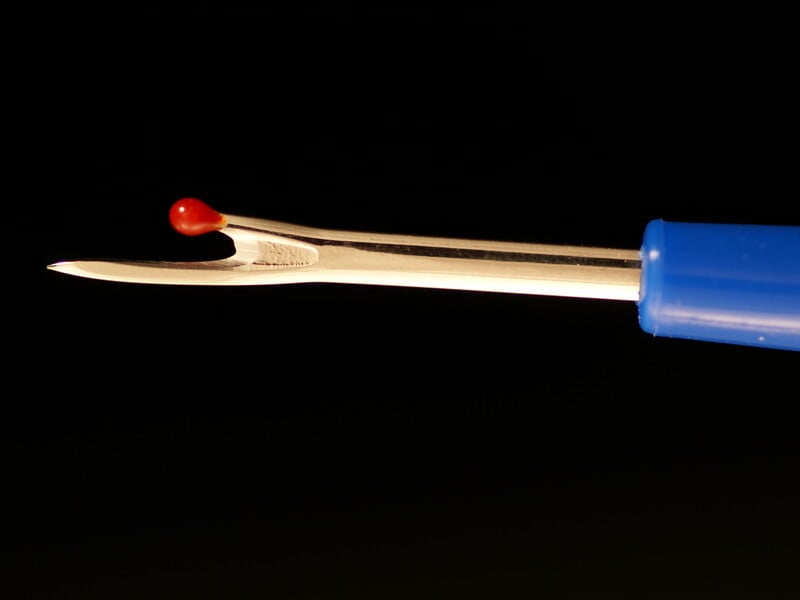
Seam Ripper
Essential tool for removing stitches and opening seams.
$3 - $10
Want deeper dives?
Check out our expert-written guides for comprehensive fabric and sewing knowledge.
Found this helpful? Share it with your sewing community!